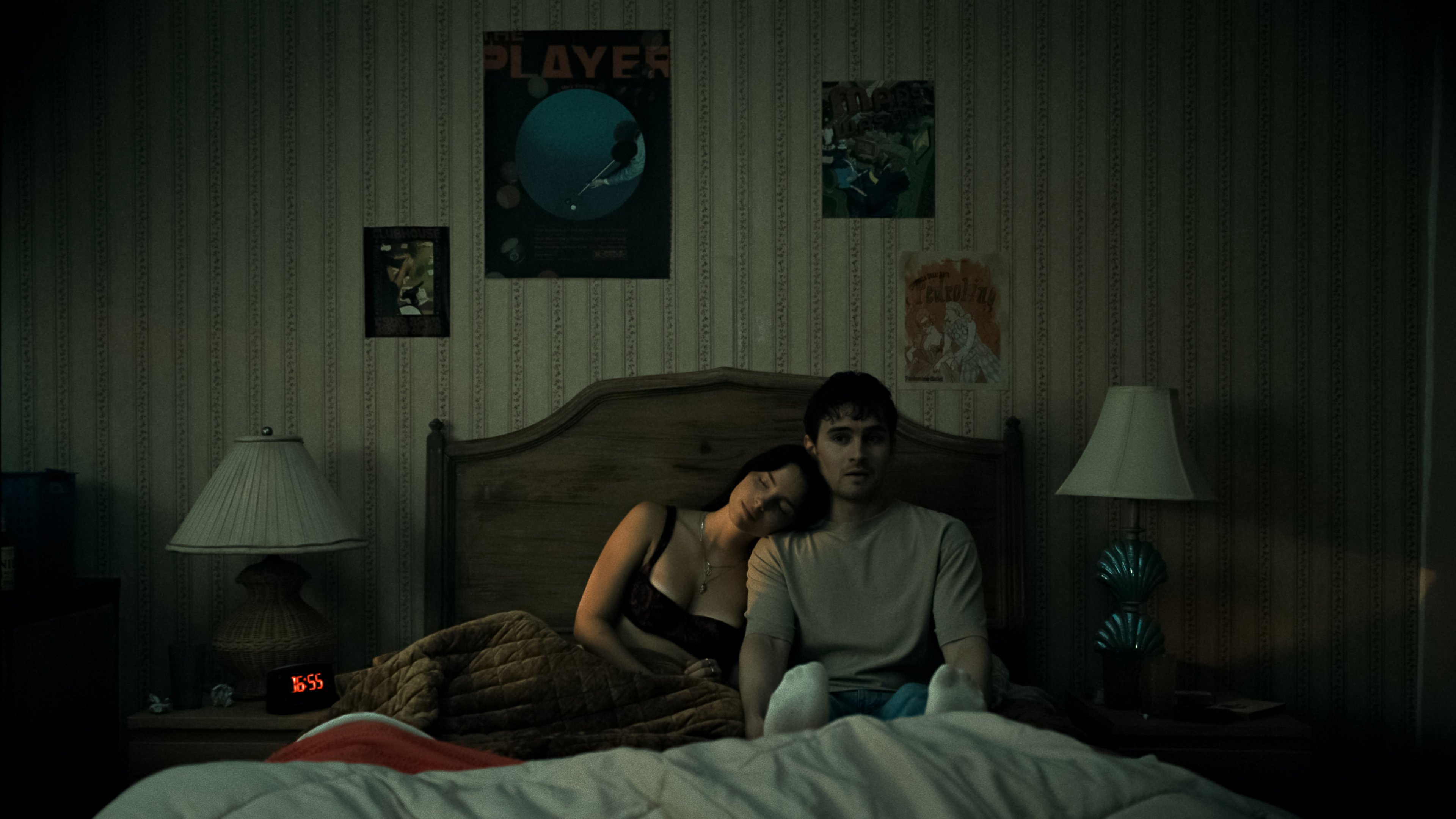
Obsession’s Filmmaker Takes Horror to the Next Scary Level
A Q&A with writer, director, and editor Curry Barker
In Obsession, writer-director-editor Curry Barker twists a simple horror yarn into a brilliantly unsettling look into the perils of getting what you want. When Bear (Michael Johnston) blows his chance at telling Nikki (Inde Navarrette) how much he likes her, he half-jokingly buys a novelty-store trinket called “One Wish Willow” to make his dreams come true. Unfortunately, his fantasy’s reality turns his life into a nightmare that affects everyone, including his best friends, Ian (Cooper Tomlinson) and Sarah (Megan Lawless). The Daily Beast writes that the film is “an instant contender for classic midnight-movie status.”
Having gained popularity along with Tomlinson with the YouTube sketch comedy show, “that’s a bad idea,” Barker demonstrated his extraordinary talent for horror with his debut feature, Milk & Serial. With Obsession, he takes that talent to the next level. The New Yorker recently called Barker “Hollywood’s next great horror auteur.”
We spoke with Barker about why he loves horror, how he found his film’s stars, and what he wants audiences to experience.
The official trailer for Obsession
Where did the idea for Obsession come from for you?
For a while, I have been toying with the idea of a guy who was obsessed with a girl or a girl who was obsessed with a guy. I just didn’t have the concept cracked. I just knew that I wanted to play with how crazy something could get when one person is way more obsessed with someone else. When it finally clicked for me was when I figured out what starts the wish. I did a lot of research on different things, like wishing wells and shooting stars. But none of those worked for me. I didn't want it to be something that mysteriously shows up at somebody's door. We’ve seen that too many times. I wanted something simple that you could buy at a store like the One Wish Willow, something that seems trite but actually does what it promises.
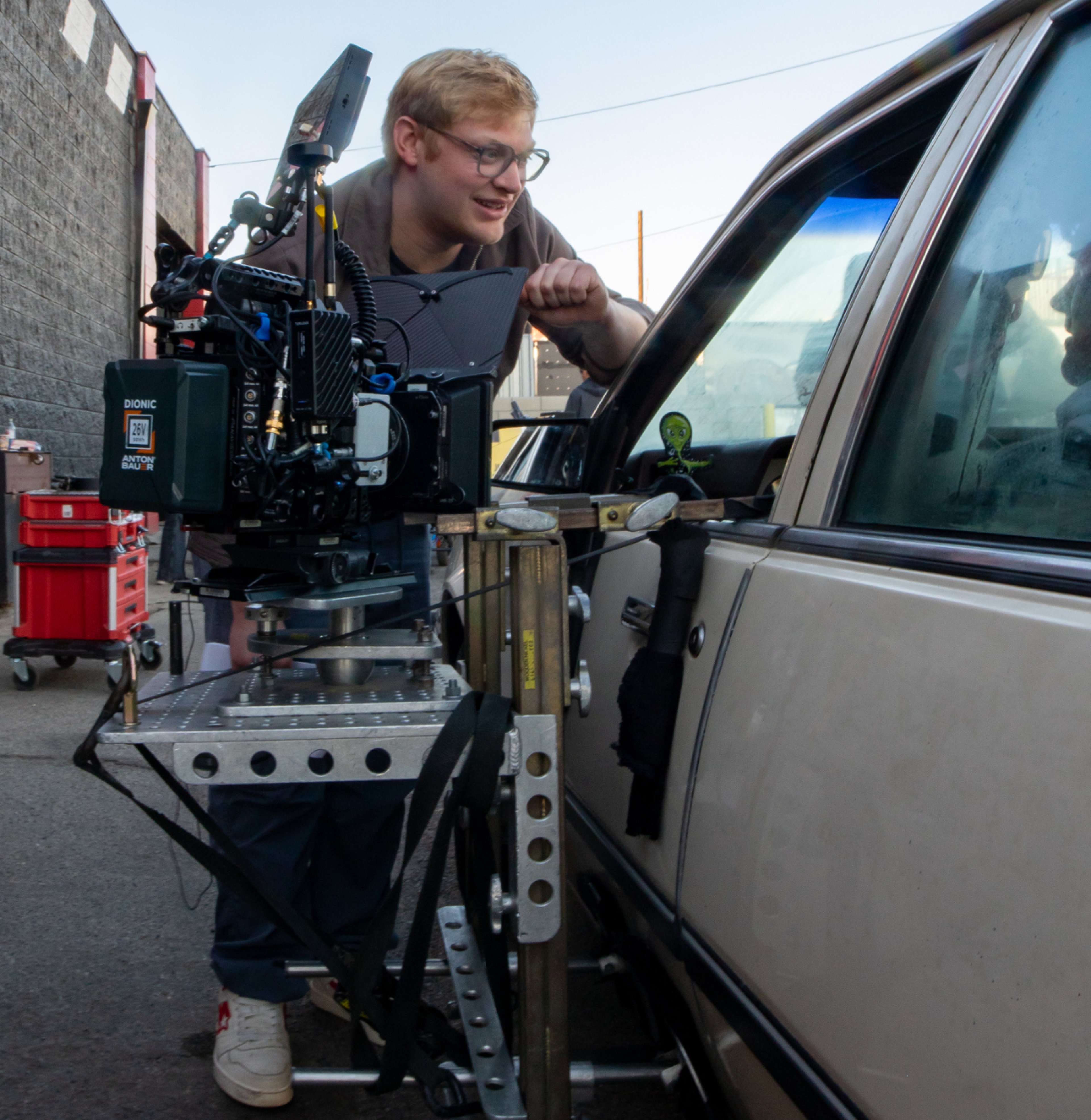
Filmmaker Curry Barker on the set of Obsession
You started in comedy, like a few other recent horror directors. Is there a link between the genres for you?
One hundred percent. As a comedian who has been making sketch comedy for the last six years of my life, I'm constantly studying people, thinking about the psychology of why people do the things they do and how we can make it funny—whether it’s an interaction with a waiter or getting cut off in traffic. There is a similar psychological element to horror. The same way I observe possible funny scenarios, I can see their potential for horror.
You seem to have a penchant for twisting the conventions of horror to come up with something original.
That's exactly what I like to do. Part of it comes from subverting the conventions of horror, but also I love to think about how stories outside of traditional horror can turn into something else. What if, for example, the premise of Willy Wonka suddenly became really scary. When I was younger, I learned a lot watching the TV show Scare Tactics, seeing how normal people reacted to real things. They had no idea they were being filmed so their reactions were so real.
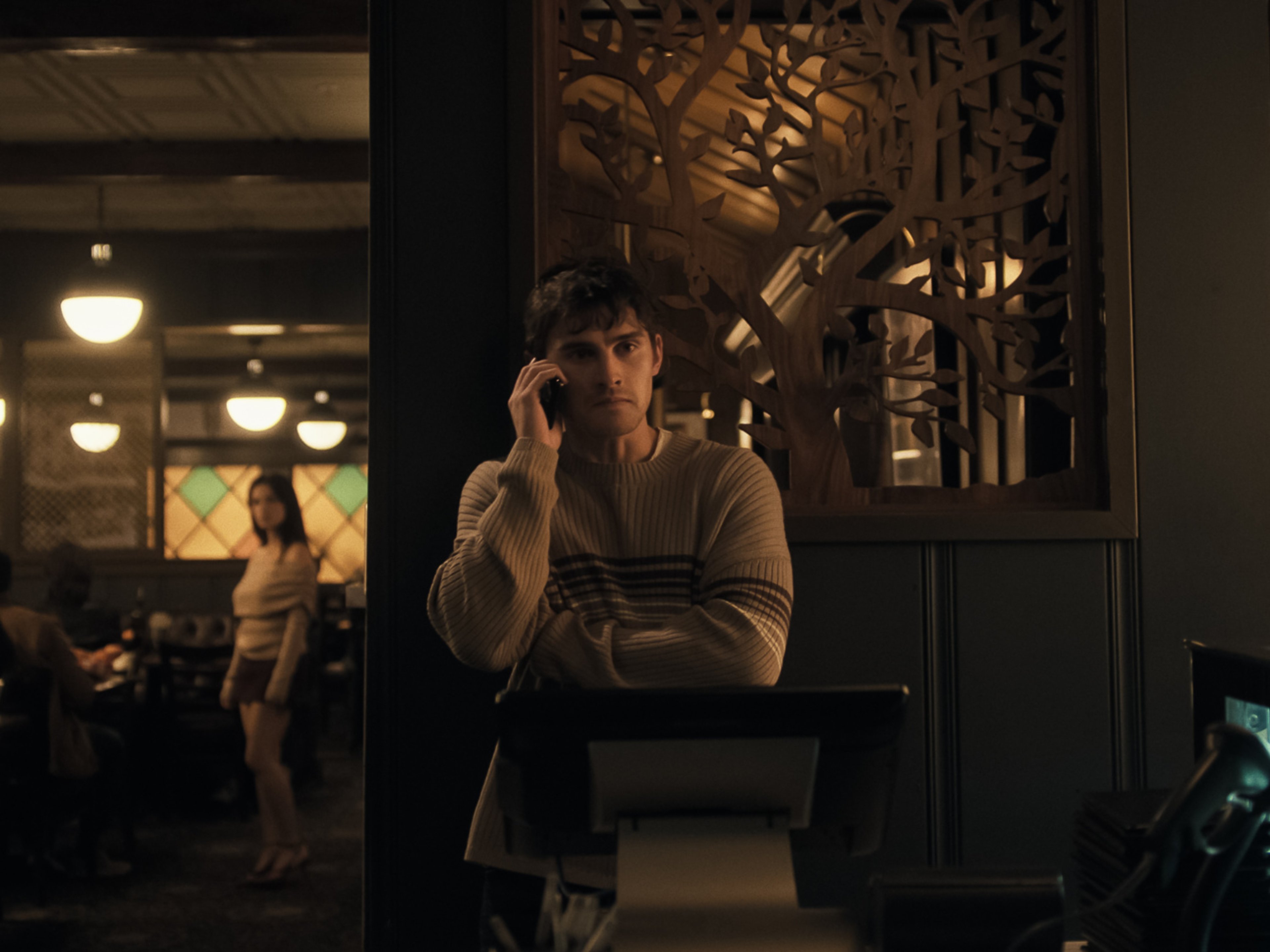
Inde Navarrette and Michael Johnston in Obsession
Can you talk about the casting?
Casting Nikki was quite the process. We knew from the very start that if Nikki didn't work, the movie wouldn’t work. Michael had this mix of awkwardness and darkness that I knew he was Bear right away. Interestingly when Inde and Michael were together, they had no chemistry, which was perfect for the story. That is sort of the point. I wrote Nikki as this sweet girl next door, but Inde brought this bro-y sassiness that totally put Bear in the friend zone. She was perfect. But I really didn’t know how far Inde would take the character of Nikki. It was amazing to see what she did with her.
Are there particular filmmakers that inspire the way you approach horror?
My biggest inspirations are people like Ari Aster, Jordan Peele, Zach Cregger, and Bill Hader. I wish Nathan Fielder would do a horror film, because I think what he does is amazing.
Talk about how you use darkness in composing your shots, especially in the way you often obscure Nikki’s face.
It was important early on that there was a sense of mystery as to what Nikki was going to do next. In watching horror, there is this uncanny valley that exists between feeling in danger and feeling calm where you don't know how you're supposed to feel about what is happening or about to happen. When you take away someone's face, you take away their intention, and there's an un-comfortability and unpredictability that comes with that. In the film, you don't know if Nikki’s going to lean over and kiss Bear or to jump up and kill him. Living in that uncertainty makes the story fun.
How do you approach production design?
I tend to write stories that mostly take place in two or three locations. In Obsession, once we get to Bear’s house, we are there for much of the film. For me, centralizing your story around a single place can help you to focus more on the characters because you're not focused on big set pieces. The longer we are at Bear’s home, the more we learn about him. We know his grandmother has passed away, because there’s an elliptical machine that isn’t being used and drug bottles with her name on them.
Much of the film is shot in long takes. How does that help tell the story?
First of all, it allows your actors to just act. To be sure, it’s a challenge because it forces me to become more creative with blocking. I might have two people talking, but when one gets up to go to the fridge, I have to figure out how we are going to shoot that. If the camera is there, how can I make it captivating and interesting without cutting? And when I do cut, what do we learn by that cut? There's an artistry there.
You also edited the film. How did that change your approach to writing and directing?
I tend to edit the movie in my head before we even get on set. Of course, that changes and the finished product is always way different than what it was when I wrote it. By editing, however, I can at least try to get it as close as I can to what I originally wanted.
What do you hope audiences take away from the film?
I hope that they are disturbed. I think of the film as a sort of “would-you-rather” game in which both outcomes are equally bad. The film asks you, “What would you do in a situation like this? What's the right thing to do?” I really hope people have conversations about that after this film.
This interview has been edited and condensed for clarity.
