Meet Pacqui Pascual, Winner of the Focus Features Best Narrative Film Award, 2025 Reel Works Film Festival
An exclusive Q&A with the director of the family comedy, Awit Natin (Our Song)
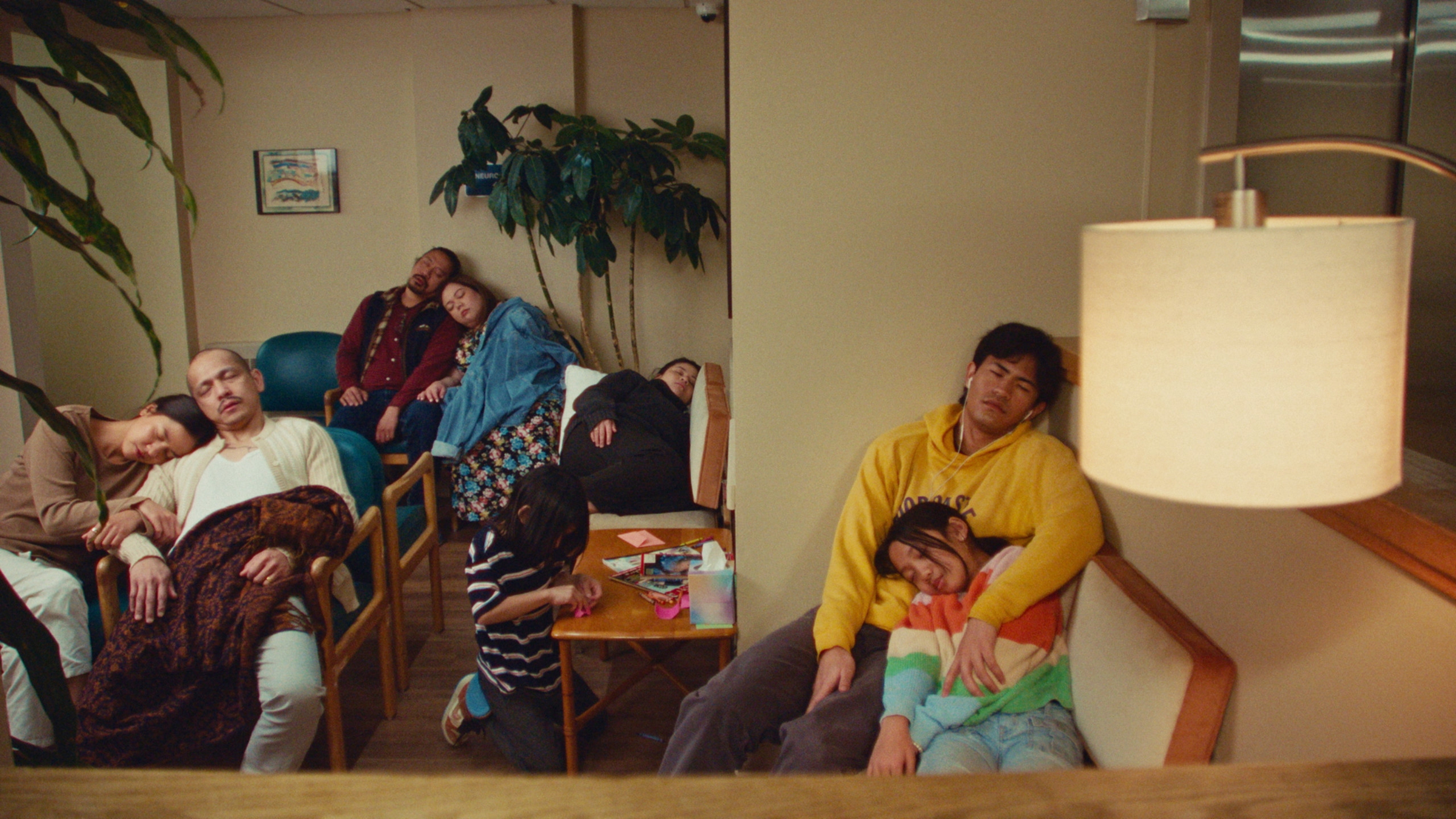
At the 2025 Reel Works Film Festival, Pacqui Pascual won the Focus Features Best Narrative Film Award for his short film, Awit Natin (Our Song).
In Awit Natin (Our Song), a Filipino family works together to hide the truth when their father dies during the mother's hospitalization.
We asked Pascual to tell us a little about the inspiration for their film, the artists who influenced him, and his plans for the future.
Follow them on Instagram: @pacquip @awitnatinfilm and check out their website here.
Pacqui Pascual's Awit Natin (Our Song)
Where did the idea for Awit Natin (Our Song) come from?
Awit Natin (Our Song) was inspired by an experience my family went through in 2019. My grandmother suffered a ruptured brain aneurysm and was rushed to Stanford Hospital for specialized care. We were unsure what was going to happen to her, and in the midst of the chaos, my mom received a call telling her that my estranged grandfather, who was living in the Philippines, had passed away. My Mom and her siblings decided to hide his death from my grandmother, fearing that news of her husband passing would affect her chances of survival. All of our family, including the kids, was banded together in this lie.
During this time, the hospital became a second home for my family and me. We were all holed up in my Tita’s small apartment splitting our time between there and the hospital’s various waiting rooms. This period exists as a sort of anxious blur in my memory. It seemed like everything that could have possibly gone wrong was going wrong. You couldn’t help but laugh at the absurdity of the situation. I wanted to create a film that would capture these conflicting feelings. In hindsight, I think it was also a way for me to process everything that had happened
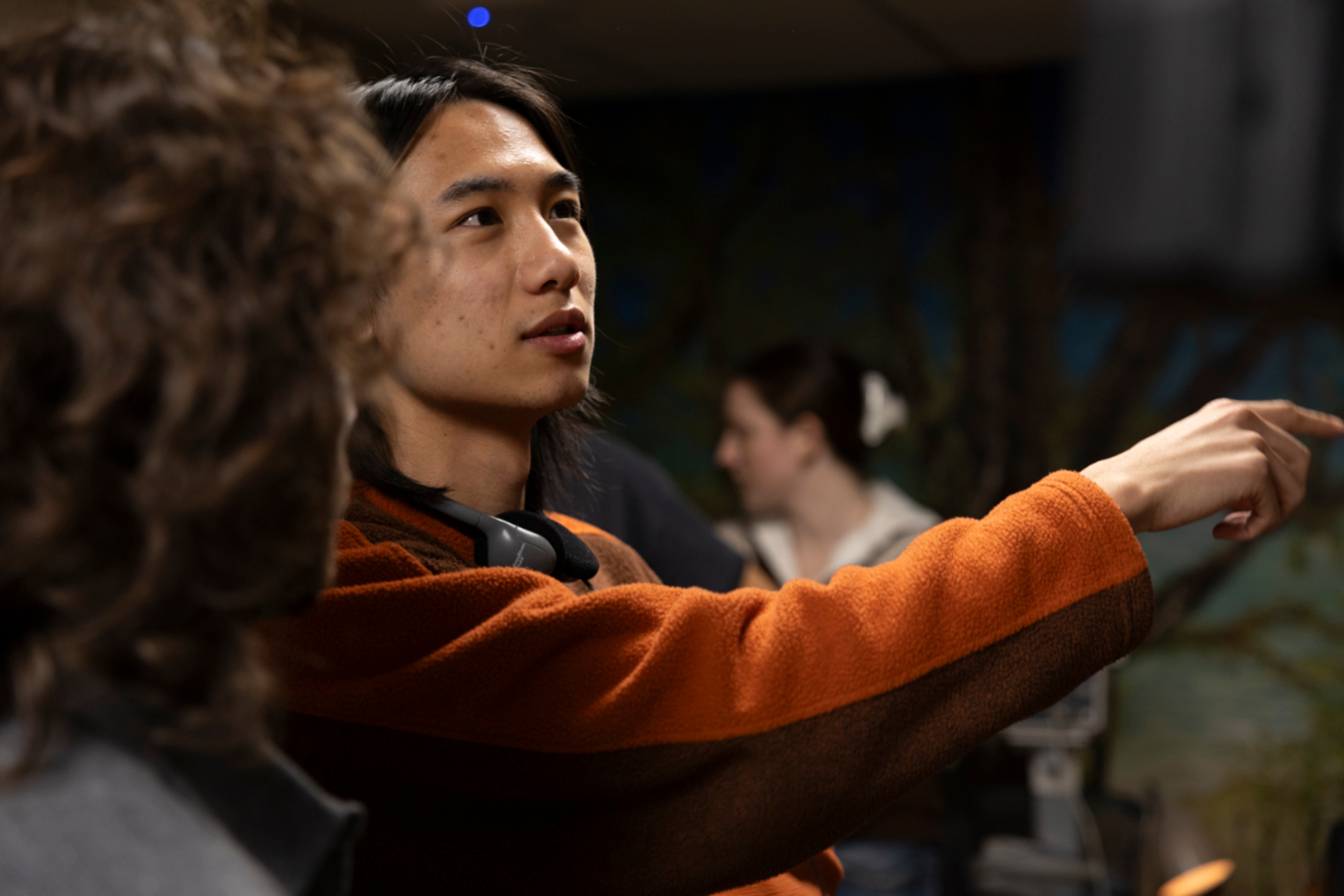
Filmmaker Pacqui Pascual on the set of Awit Natin (Our Song)
How did you find your cast?
We left no stone unturned when it came to casting this film. I knew it was a difficult task to make a film featuring an ensemble cast of eight actors, including two children, most of whom needed to speak Tagalog fluently, but this was the only way to capture the authentic feeling of a Filipino family. We spread the word through social media, Backstage, and even physical flyers on the subway. Mara Lopez—who plays the middle sister, Linda—found one of our flyers on the subway, only to find out that the email we had listed was spelled incorrectly. Thankfully, she had a friend who saw our post on Instagram who put us in contact with her. And Mara’s real-life Mom actually plays her mom in the film!
I also had the honor of working with a couple actors who had never been in front of the camera before. Leona Panganiban, who plays Jeenie, is an executive sous chef in her day-to-day life. Her first audition tape was filmed in the kitchen of her restaurant right before service. Bryan Vallecer, who plays the pivotal John, works as a freelance masseuse. He found us through a post I made in a Facebook group for Filipinos in Queens. He shaved his head for his self-tape. So much of our casting was a result of chance and having an amazing grassroots community behind us. I could not have asked for a better group of people. By the end of the shoot, we’ve created a found family which comes through in the film.
In the final movie, what scene most captures what you saw in your mind when you first imagined the film?
The surreal song-and-dance climax is definitely the sequence that most captures what I saw when I first imagined the film. From the start, I always knew that I wanted John’s physical character transformation to happen in one shot with no cutaways. I love effects that happen all in camera. There’s this theatrical feel to them that I adore even though they sometimes reveal the seams of the film. For me, that usually makes it even more exciting. You can tell that there are real people behind the movie, and it makes the world of the film feel more lived in.
We achieved this transformation with a slow camera pan and a team of five crew members who were able to quickly change our actor into an entirely different outfit including a wig and a mustache in under 12 seconds. This sequence brings the whole film together and I wouldn’t have been able to achieve it without the help of our amazing team. Special shout-out to our amazing wardrobe team, Callie and Jibreel.
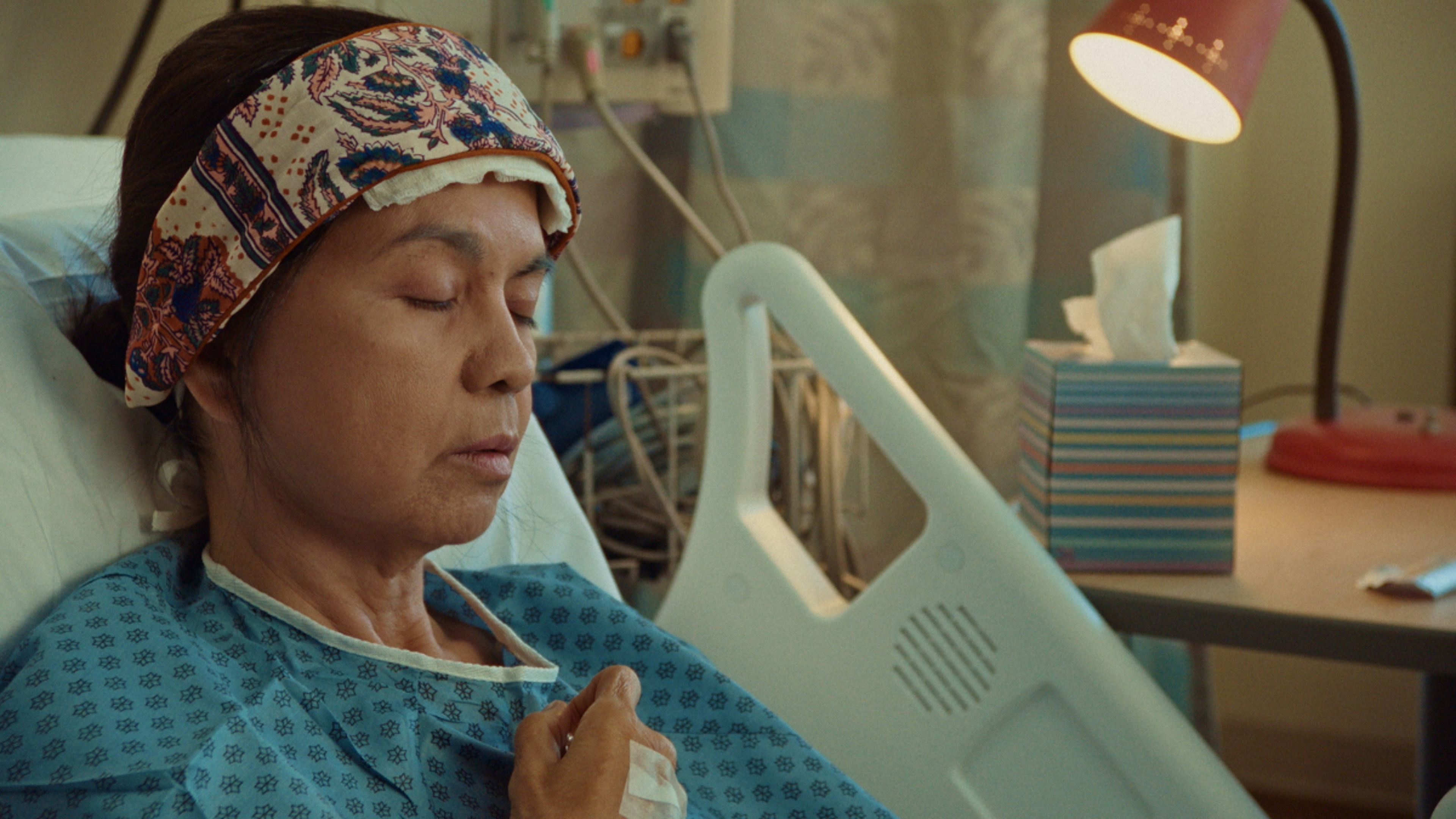
Maria Isabel Lopez in Awit Natin (Our Song)
What was the biggest lesson you learned on Awit Natin (Our Song)?
My most important takeaway from making this film was to be confident in myself. When you are working on a bigger set with a bigger crew, I think that it’s easier to lose yourself in the machine of the production. Especially as an emerging filmmaker, it can feel daunting to make decisions that people don’t agree with. You’re stressed, working against the clock, maybe other crew members have more experience than you, and, all the while, there are a hundred questions you need to answer. But ultimately, as the director, the person who’s going to have to live the longest with these decisions is you, so they might as well be decisions that you fully believe in. Obviously, without collaboration you don’t have a movie, but there was part of me that felt a bit fearful to trust my instincts. I learned that that isn’t something to be scared of. It’s okay to trust your instincts. I can recall a few moments in production where I let myself fall into the ease of taking a backseat, but moving forward, I want to remind myself that those moments are where it’s most important to lean in.
I didn’t realize until after finishing the film that my inexperience was one of my biggest advantages. This short was the largest production I had led, and my sights were set extremely high. I think some of the things we were able to achieve with this film, like shooting in a real hospital or working with children, might have been deemed unrealistic for an emerging filmmaker. But thankfully, my core team truly was an embodiment of the indie film spirit, and we had full belief in what we could achieve. Our final film is a testament to that.
As an emerging filmmaker, who are your influences?
Some of my favorite filmmakers include Bong Joon Ho, Jordan Peele, and Edward Yang. I love black comedy and finding the humor in unfortunate circumstances and the strangeness of everyday life. A Brighter Summer Day is one of my most cherished films, and the way Yang is able to instill life in his work is something I will always be chasing.
A couple other films that were top of mind when making Awit Natin were Hirokazu Kore-eda’s Shoplifters and Charlotte Wells’ Aftersun.
I’m also a huge fan of Nathan Fielder and Tim Robinson. They treat their humor with this deadly seriousness that I try to bring to my own characters and inspire in the actors I work with.
What was the first film you saw that made you want to be a filmmaker and why?
For most of my childhood, I don’t think I could even conceptualize being the writer or director of a film, or even what being a filmmaker meant. I loved movies. My parents would take me to the Regal by our place and we were always renting DVDs from the kiosk at the grocery store. I would even make funny skits and video projects for school. But the idea of ever doing something on the scale of what I was seeing at the cineplex was completely foreign to me. Most of the time, I would just say my dream job was to be an author.
I think seeing Jordan Peele’s Get Out for the first time was when that feeling first hit me, that filmmaking could even be a possibility for me. His voice and perspective was so unique from everything else I was digesting at the time. I remember thinking if he was able to make something as singular as this, then maybe there was room for a Filipino kid like me to make crazy shit, too.
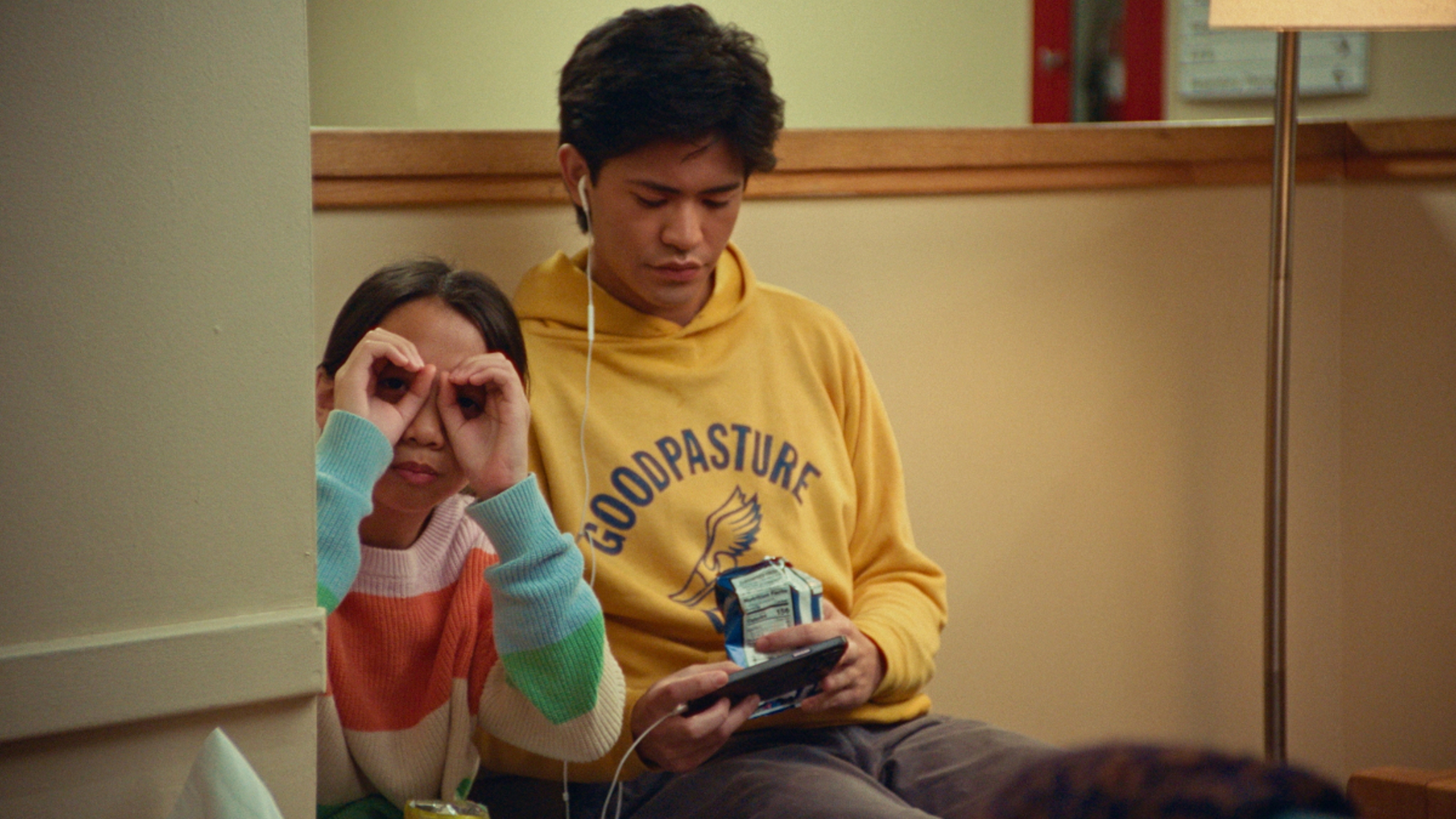
Awit Natin (Our Song)
Are you working on a feature film? What is it about?
Yes! I’ve been working on a feature version of Awit Natin (Our Song) for quite some time now. The logline is: When their father dies during their mother's hospitalization, a Filipino family must go to extreme and absurd lengths to hide the truth. With the feature, I build out the lead-up and aftermath of the events of the short film. We get to spend more time with the kids and see their perspective, and the character relationships get to more fully play out. One of the arcs I’m most excited about in the feature is the strange love story that unfolds between John and his mother-in-law, Lola Carla, who is convinced that he is her (now deceased) husband. We see a bit of this in the short, but this time we get to live in that space for longer. They become sort of havens for each other’s longing, with the space between them acting as a sort of respite from reality. I’m finishing a new draft of the script now and the end product is going to be like a Filipino mashup of In the Mood for Love, Yi Yi, and Eighth Grade. For anyone interested in helping make the film, I’d love to send you the script.
This interview has been edited and condensed for clarity.
