Meet ishkwaazhe Shane McSauby, One of the Winners of the 7th Annual Focus Features Short Film Showcase
A Q&A with the writer and director of The Beguiling
ishkwaazhe Shane McSauby’s short film, The Beguiling, is one of the works chosen by a special jury of filmmakers, curators, and critics for the Focus Features Short Film Showcase. Created as his MFA thesis film at New York University, The Beguiling was selected from a pool of projects from a number of graduate programs across the country.
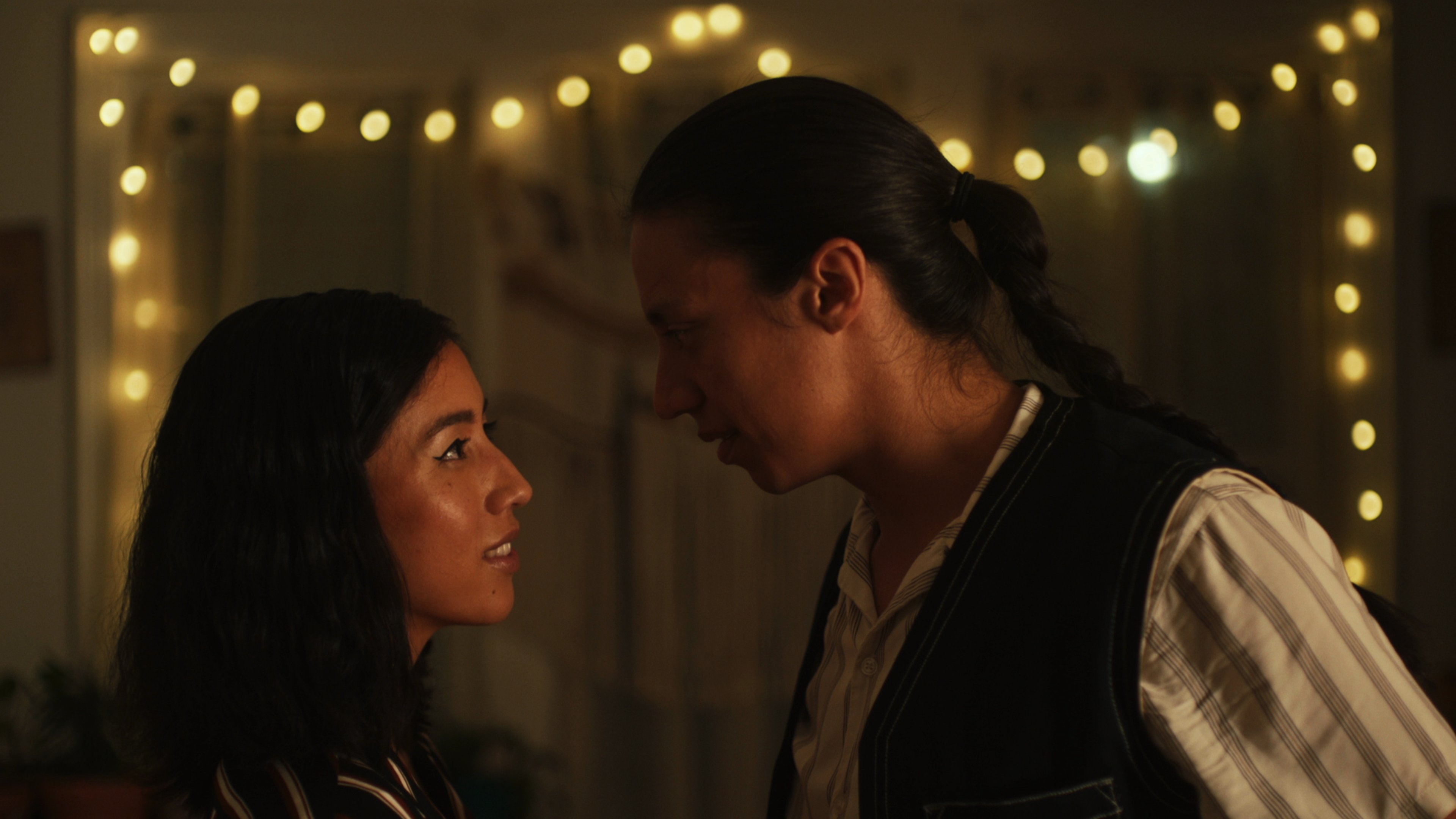
In McSauby’s short film, The Beguiling, a burgeoning romance between two Indigenous people takes a sinister turn when one grows suspicious of the other.
We asked McSauby about the inspiration for his film, the artists who influenced him, and his plans for the future.
Follow McSauby on Instagram @ishkwaazhe and learn more at www.ishkwaazhe.com
The Beguiling dir. ishkwaazhe Shane McSauby
Where did the idea for The Beguiling come from?
There are a few directions to go in answering this. The first is the barriers. I was in my thesis year in the NYU Grad Film program. My original intention was to graduate with a feature film script, but I hadn’t directed anything in four years, and I had this fear that I’d get on set and forget everything I’d learned. So, I decided to make a short film, just to prove to myself that I still could do it. My last short film, Happy Thanksgiving, was a production hell: I shot on film, had a ton of locations, tons of side characters, a food-fight scene, winter exteriors, etc.
This time I went the opposite direction. Before even writing, I set restrictions for myself: one or two characters and one location. At the same time, I was developing a feature about a Native couple hunted by a group of white people pretending to be Native. Non-Native people claiming Native identity is nothing new, but it seems to have really exploded lately. It’s something no Native community is safe from. I’ve heard stories of people stealing real Native people’s stories of historical trauma and using them as their own to secure jobs, funding, or social capital. In a society where identities and trauma have been commodified, this becomes a kind of currency. I wanted to play with this idea since it was already on my mind, and conversations around it were growing. I love working in genre, and the idea of taking on a Native identity that isn’t yours is so ridiculous that dark comedy felt perfect. But stealing people’s real stories of trauma is also sinister, so a mix of horror felt like the right fit.
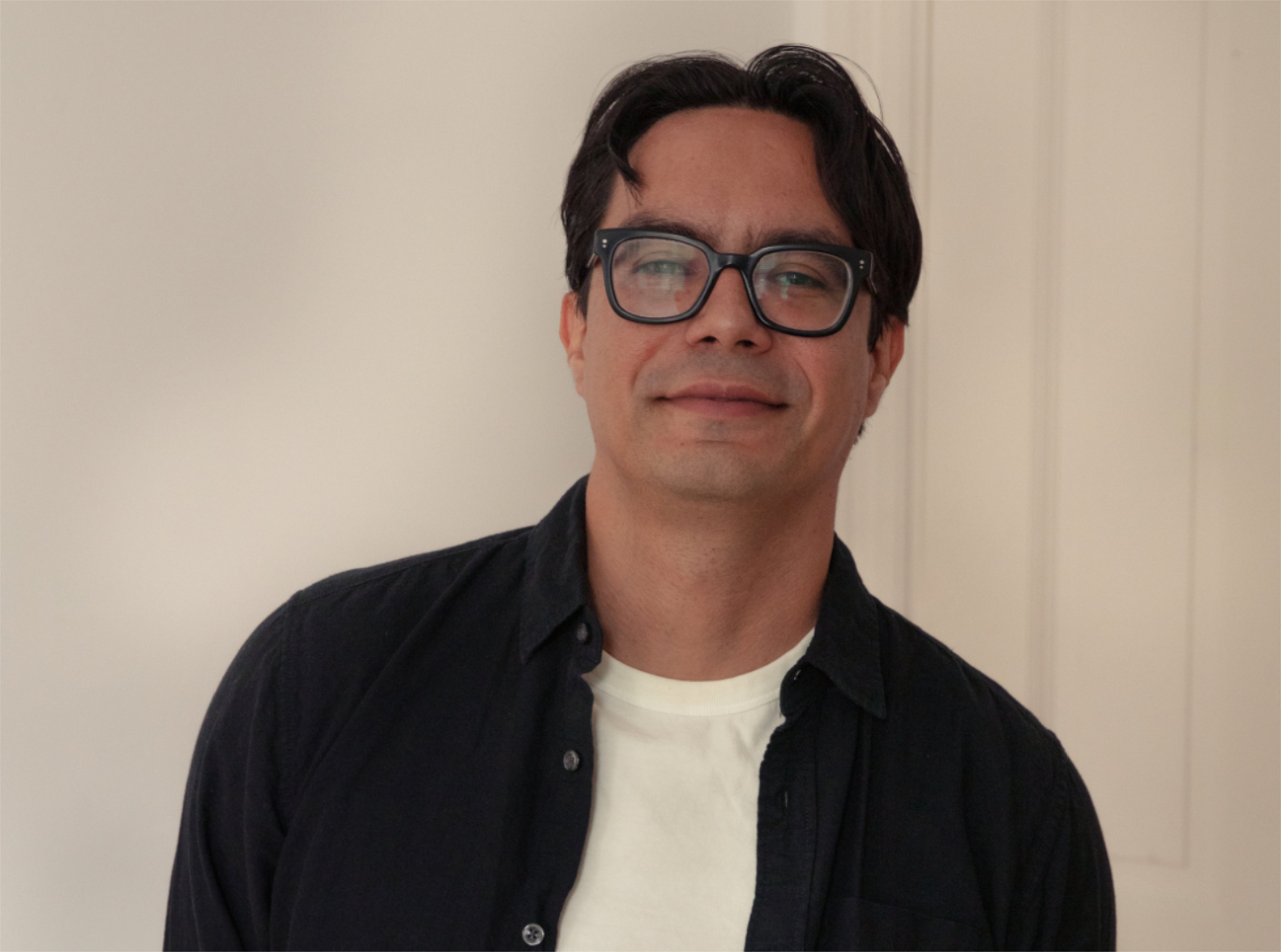
Filmmaker ishkwaazhe Shane McSauby
How did you find your cast?
Through casting calls and social media posts. We had a lot of submissions for the role of Billy, and I watched every self-tape. There were so many great takes on the character. But when I saw Benairen Kane’s tape, I was immediately drawn to him. His eyes hold so much depth and history. After a callback, I knew he was the right choice. He’s easy to talk to, funny, and takes direction well. I can’t wait to see him grow and see the greatness he’ll bring to the screen in the future.
Riley was a bit harder. We were trying to find a “racially ambiguous” actress who could pull it off, and we were also coy about the details of the character since we didn’t mention the twist. We only had about 10 submissions. After a few callbacks, we told them more about the role, and some of them actually backed out. Then Kim Savarino sent in a tape that we all loved. She lived in Brooklyn, so we were able to do an in-person callback, which helped a lot. My producers and I loved her range, but especially her energy. At one point, without explaining why, we asked if she could roll her eyes back into her head. She really tried, but couldn’t. I think she was more confused about why we were asking. Later, we told her, "It’s because your character is going to be eating someone.” Her eyes lit up.
What in the final film best captures what you imagined when you first pictured the film?
With this film, I wanted to push into the darkness of stealing people’s cultural identity and trauma. When Benairen’s character is finally opening up and sharing something deeply personal, Kim’s character is almost feeding off of it, like she recognizes its value, its currency, and is already thinking about how she can use it. That moment is really unsettling. I didn’t want it to live purely in that darkness. There’s something so absurd about the whole phenomenon, so I tried to balance it with comedy, just how ridiculous it all is when you step back. It’s definitely a tightrope between sinister and satirical, but that balance is what I was chasing, and I feel pretty good about where it landed.
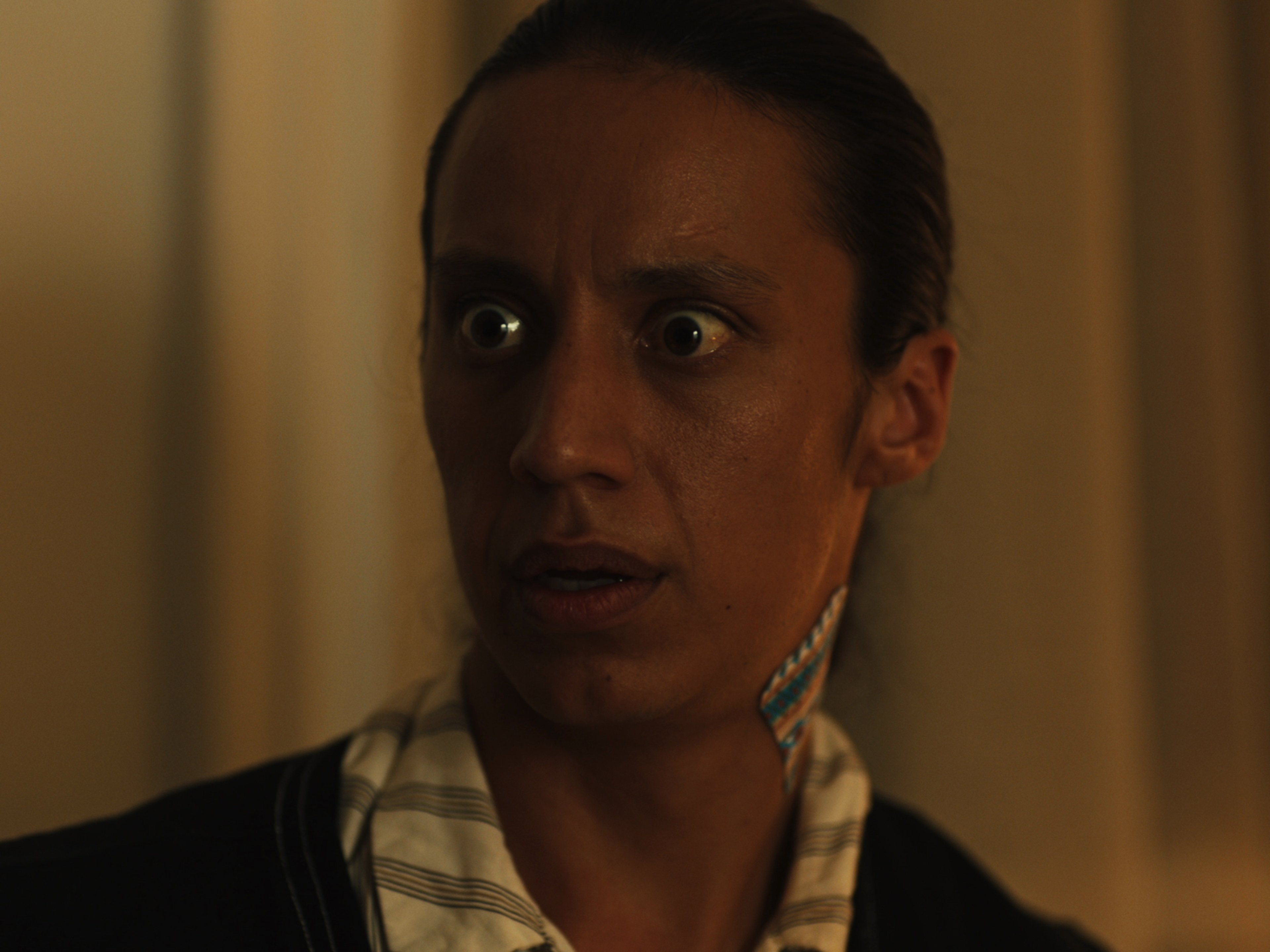
Benairen Kane in The Beguiling
What was the biggest lesson learned working on The Beguiling?
When I made Happy Thanksgiving, an unspoken thought haunted me the entire time: this film needs to be “successful.” And success meant top-tier festivals, management, feature deals, blah, blah, blah. That mindset changed the process for me, and I think it made the shoot harder because I wasn’t in the right headspace. With The Beguiling, it was the complete opposite. I went in with the idea that this was a refresher and a chance to grow. I wanted to challenge myself, focus on collaboration, put myself back in a leadership position, and see what happened. That mindset allowed me to thrive during production. I was able to lead with play, which really changes the energy on set and allows everyone to loosen up and bring their best selves. The biggest lesson was to make films for the right reasons: the story, the collaboration, and to learn. And to surround yourself with a great team. My producers paved the way so I could focus purely on directing. And the entire crew, I wouldn’t have been able to do it without any of them.
As an emerging filmmaker, who are your influences?
I’ve been very fortunate to be surrounded by incredibly talented friends, and I’m constantly inspired by the people close to me. As far as filmmakers go, I’m inspired by Jess X Snow’s themes of community and their bravery in speaking out against injustice. I’m inspired by Elo Santa Maria’s directing of tender moments and magical realism. By Fran Zayas’ very dark and strange humor. By Eve Liu’s endlessly cool style. By Shaandiin Tome’s work ethic. I could go on and on, gushing about all my friends.
And I’m endlessly influenced by my crazy ass family (who I love), the Anishinaabe community here in Michigan, especially in Grand Rapids. The incredible people at the Grand Rapids Film Society. I’m also grateful for my mentors at NYU: Andrew Maclean, Barbara Shock, Donna Gigliotti, Jenn Ruff, Mick Casale, Ken Friedman, Kasi Lemmons—the list goes on.
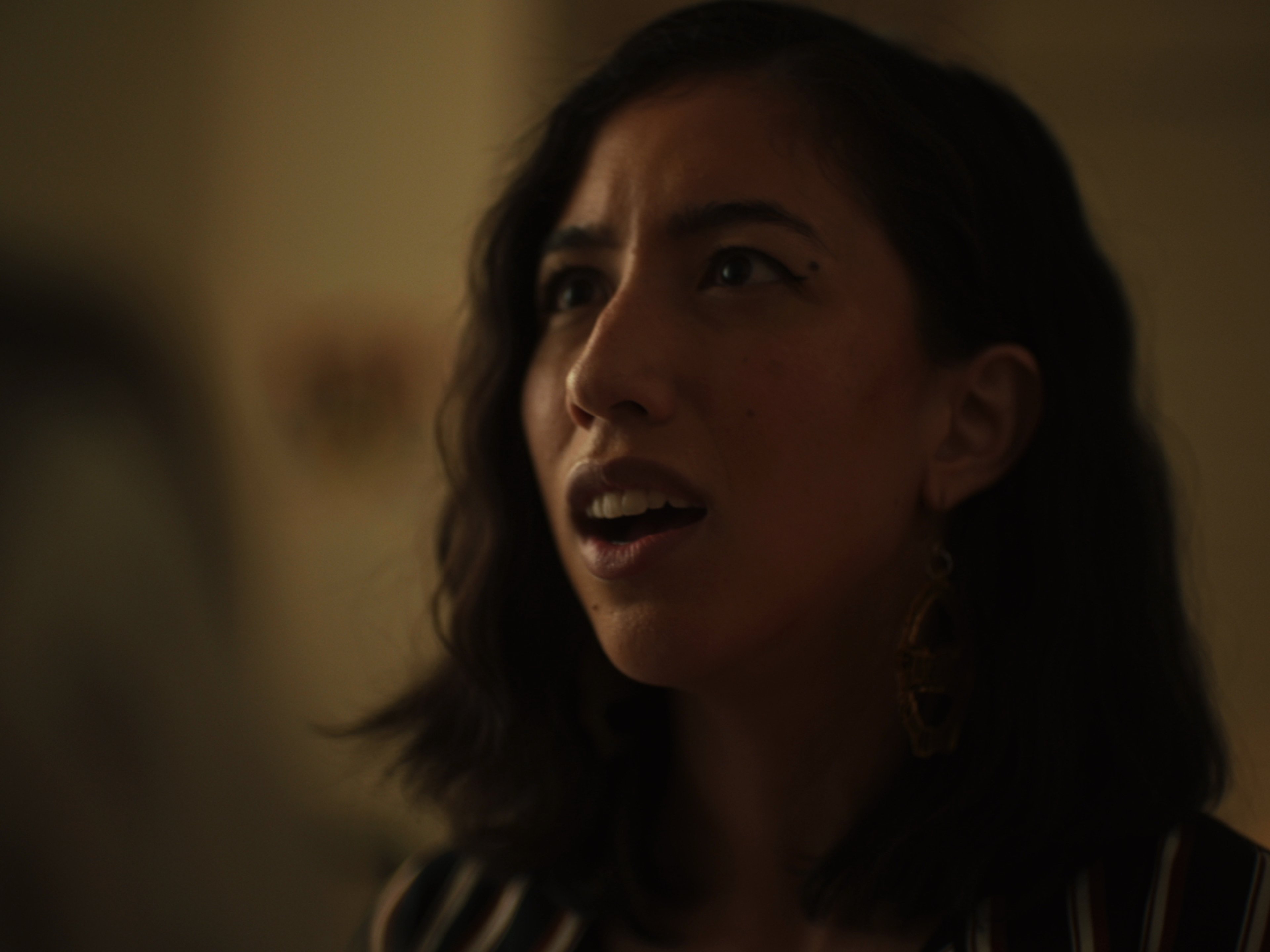
Kim Savarino in The Beguiling
What was the first film you saw that made you want to be a filmmaker?
I don’t know if there was one film that did it. I grew up near a second-run theater that had $1 movie tickets, so my dad, my uncle, and I would go see a movie or two almost every weekend. I remember being enthralled by so many films: Jurassic Park, Independence Day, Scream, Titanic, and a lot more. When I wasn’t at the theater, I was at the local rental store, Video Master, spending hours trying to pick the right movie for the weekend, which was usually an ’80s horror film. It wasn’t until I took a film class in community college that my world really opened up. I saw Chaplin’s City Lights for the first time, then Casablanca, and eventually Cinema Paradiso, which introduced me to world cinema. I can’t say it was one film. It’s been a lifetime of watching and loving movies, leaving me with no other choice but to make them.
Are you working on a feature film?
I’m currently developing a feature film titled Nokomis, the Anishinaabemowin word for “grandma.” It’s about an Anishinaabe man who escapes from prison work release to see his dying grandmother. It’s a crime thriller rooted in family drama. It’s a tense, emotional roller coaster that unfolds over the course of one night in Grand Rapids, MI. I’m super stoked about it.
This interview has been edited and condensed for clarity.
