Lorne’s Filmmaker Takes Comedy Seriously
An exclusive Q&A with director, writer, and producer Morgan Neville.
As a documentary filmmaker, Morgan Neville often explores the immeasurable depth of human creativity. In Lorne, Neville profiles Lorne Michaels, the enigmatic man who created and steered Saturday Night Live through fifty years of changing political climates and comedy trends. Partially following the man, Neville also talks to a wide swath of comedians, writers, and others who’ve worked with Michaels over the years.
What emerges is a crafty look at an elusive subject whose presence can often better be seen by the shadow he casts than by his own personality. The San Francisco Chronicle writes, “Lorne makes it clear that nearly everyone in the entertainment industry who is known for creating laughs owes a debt of gratitude to the master.”
The official trailer for Lorne
Can you talk about the audition process you went through to make this documentary?
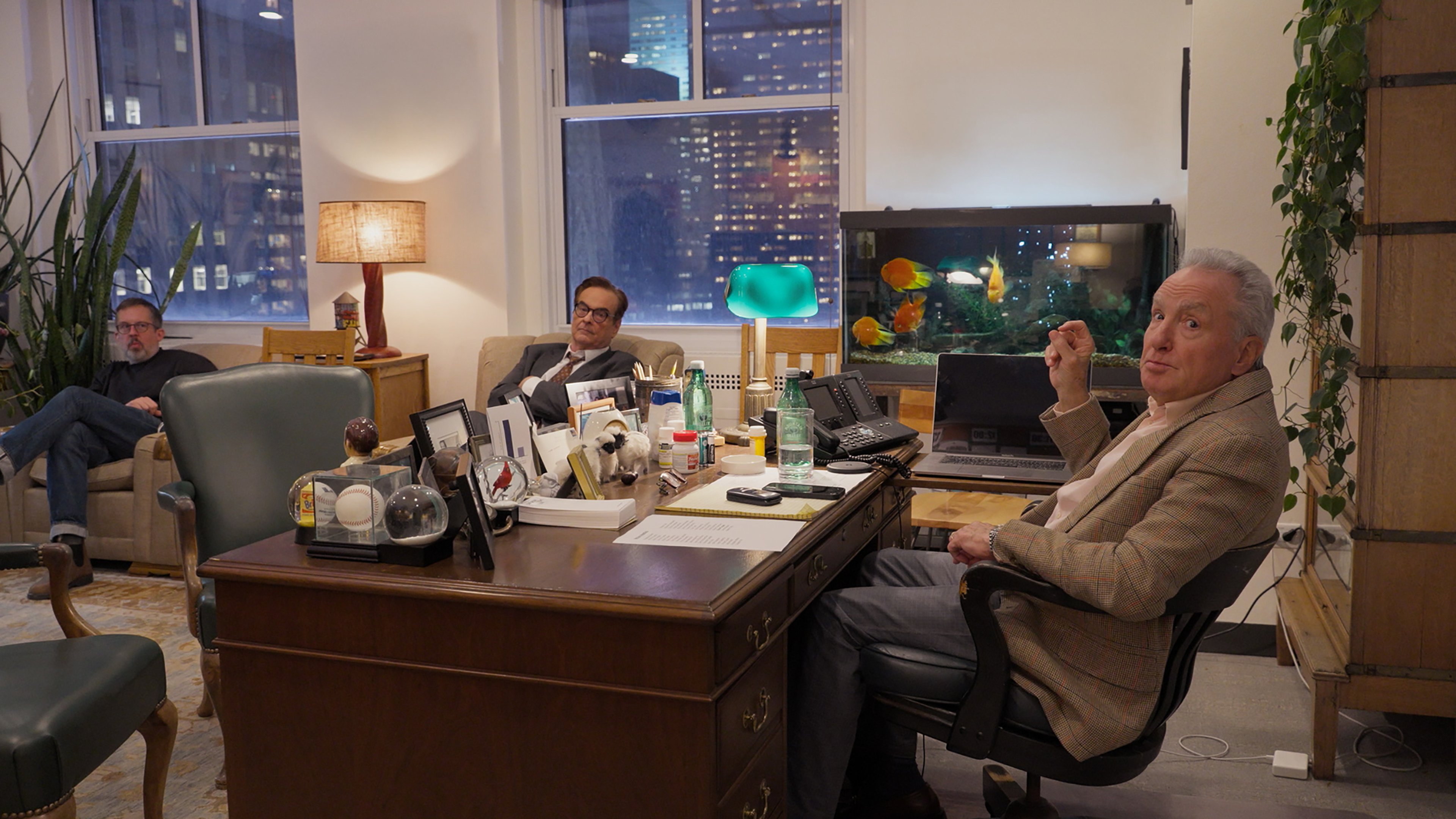
I went to Lorne’s office at 30 Rock to pitch the documentary. I think I'm just going to be pitching Lorne, and I walk into the room and there are probably 15 people in the room. It's all the senior writers and producers. And Lorne says, “Well, what are your ideas?” I'm pitching a room full of the toughest comedy writers and producers. I go for 30 minutes and I finish, and everybody sits there. I'm sitting next to Lorne on the couch, and I finally turned to him and said, “Well, Lorne, what did you think?” Then Lorne turns to one of his producers in the corner and says, “What did you think?” And she looked like the kid in class that did not want to get called on. She said, “Well, I thought there were some good ideas there.” And then she quickly passed the buck. The meeting breaks, and finally I turn to Katie Hockmeyer, the head of NBC Late Night, who walked me out. She said, “Oh, he loved you. We're doing it.” The story I've heard of every cast member having a meeting with Lorne, where they didn't know they got hired—I had that meeting!

Lorne's director Morgan Neville
What inspired you to make a film about Lorne Michaels?
Lorne Michaels is known as a little bit of the wizard behind the curtain and I was fascinated by that. You hear all the stories, and that’s part of what I wanted to explore. Yes, this is about Lorne, but it's also about the world around Lorne, the histories and counter-histories of Saturday Night Live, of everybody fascinated with the character of Lorne Michaels. Over the course of filming, I learned that there might be gradations of Lorne, but he is a very consistent character. He's fiercely loyal to people, and they're fiercely loyal to him. In many ways, it’s something that SNL historian Jim Miller says in the film: for somebody who's accrued so much power, he does it to protect the creatives, and that I really find admirable. And that’s what I set out to capture.
What were some of the more interesting interviews you conducted for the film? I interviewed more people for this than I normally do. Normally I don't like to have that many interviews in a film, but there were just so many angles. Part of Lorne’s story is the world created around Lorne. Everyone had unique anecdotes about their relationship with him to bring to the table.
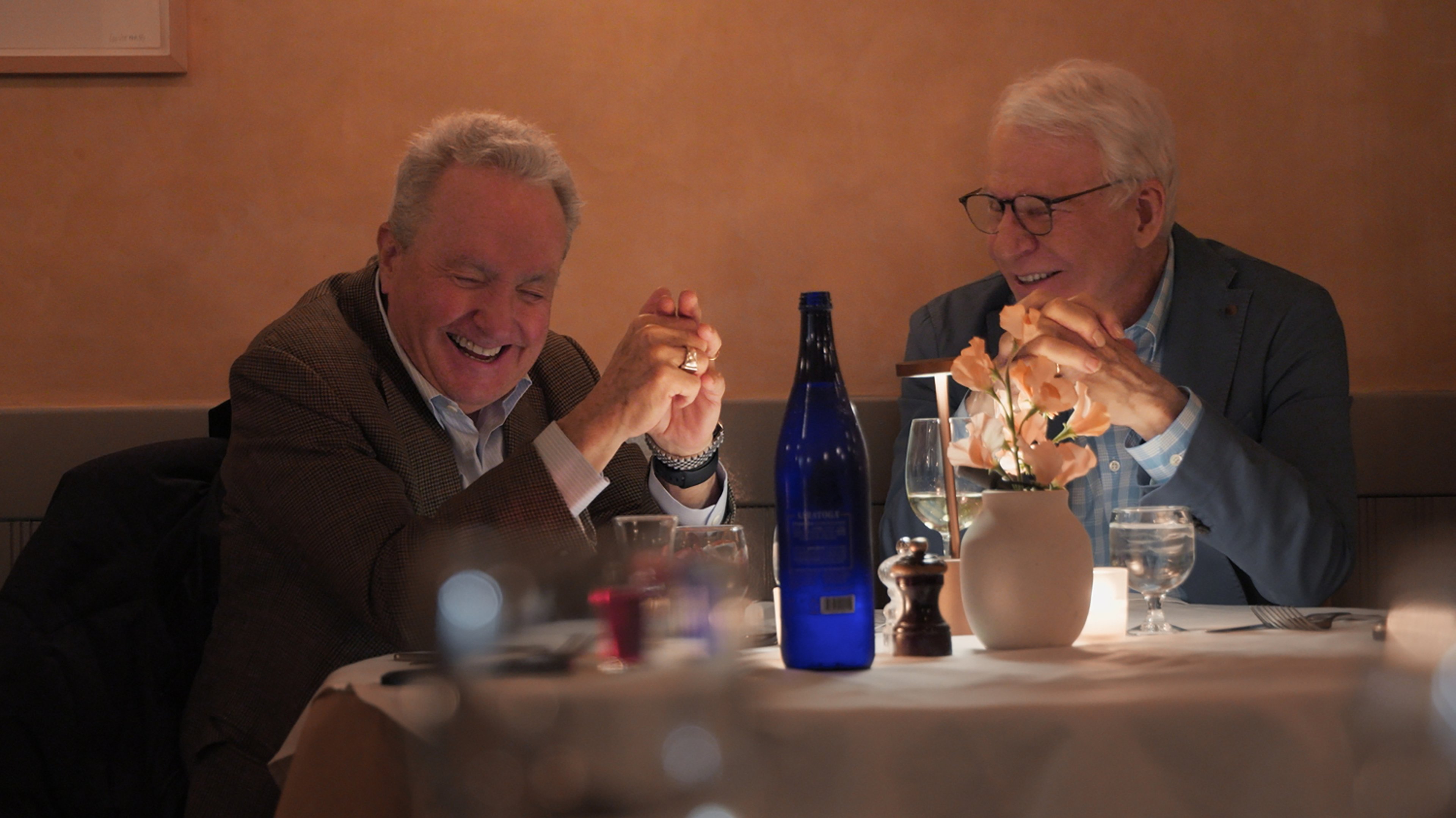
Lorne Michaels and Steve Martin in Lorne
How did you approach bringing humor into the film while still keeping the tone true to your subject?
With this film, I had an interesting subject with a rich history and tons of archival material, and I really knew I wanted it to be funny. Anybody who sees this film is going to want to laugh out loud—that's why comedy fans watch comedy documentaries. Lorne and I had had a number of nice cordial conversations building up to this, but the moment the camera appeared, Lorne became scarce. In the beginning, I thought it was actually a bit or something, which was funny, and then I realized this cat-and-mouse would happen throughout filming. I wanted to lean into that. One of the stories of the film is me as a filmmaker being in like a nature documentary at the beginning, where it's like there's the rare spotted leopard who we're trying to get a glimpse of. Through the funny moments, it allows you to get closer and closer which helps strike that balance—we go from remote access to something that feels about as intimate as anybody could get in a film.
You brought back Robert Smigel and TV Funhouse for interludes in the documentary.
I was thinking, how do I tell some of these stories? Do we do recreations? I wanted to do something funny, and I was always a huge fan of TV Funhouse segments. I called Smigel and said, “How would you feel about getting the old team back together and doing TV Funhouse?” He was into it—they were all into it. There was some point where I was recording Smigel’s voice session, and he's doing the sound of Lorne snoring in his sleep, and it was so funny. I said to him, “Did you ever think 40 years ago that you would be getting paid to imitate Lorne’s snoring?"
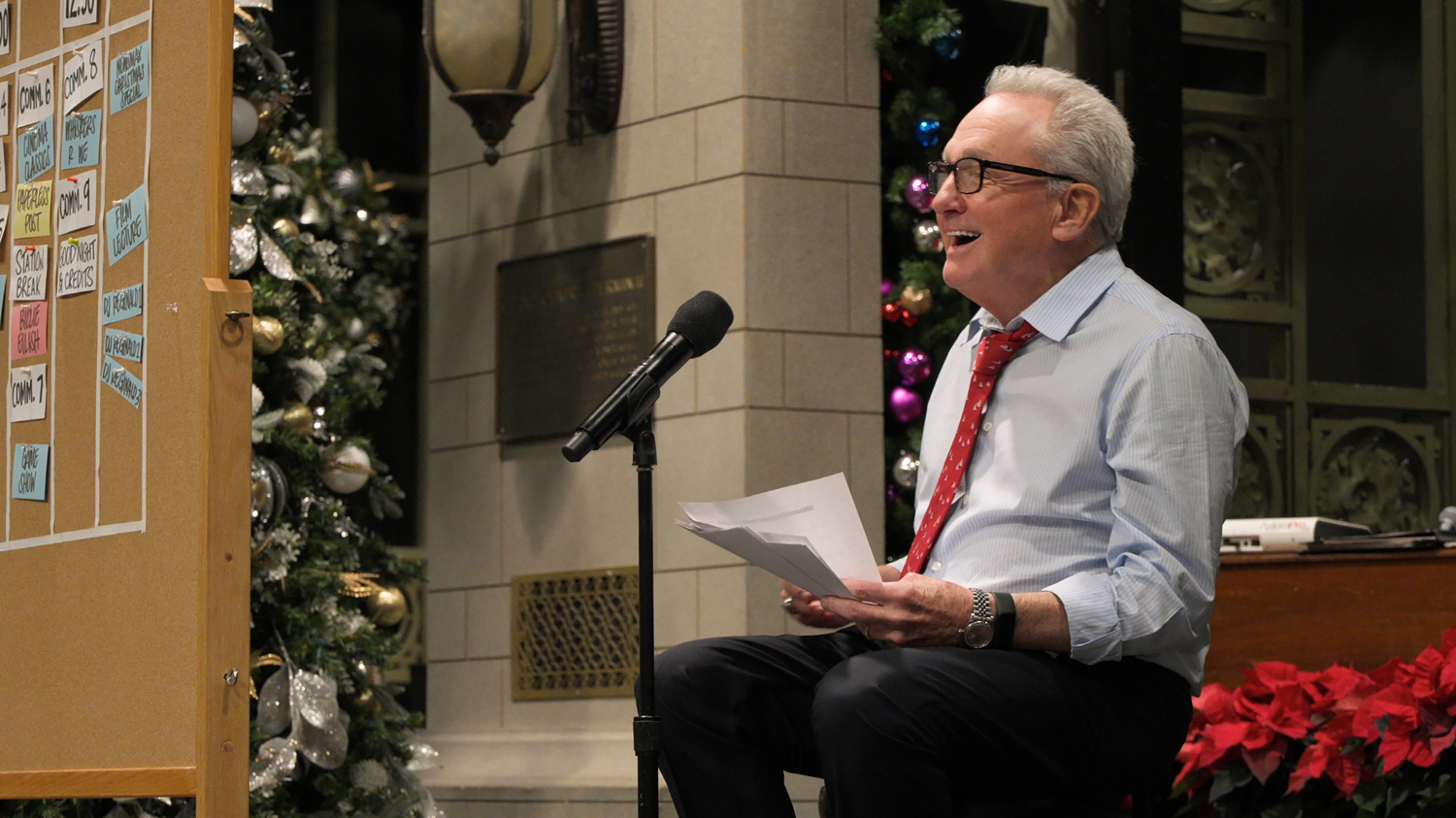
Lorne Michaels in Lorne
Because of SNL and all the careers that the show launched, Lorne has had an immeasurable impact on American comedy. Having made the film, what do you think is his lasting legacy?
As I got deeper into shooting, I really started to come to this idea near the end of the film: How does an institution like SNL survive for 50 years? How does anything survive? You survive by evolving. It's what Lorne believes in, the impermanence of things, and that allows him to continue to evolve. He could be sentimental and he can be nostalgic, but he's also somebody who really embraces change. Somebody says in the film that he's the consummate marathon runner, that everybody's running a short game and Lorne is playing the longest game there is. In the creative business and in comedy, he's playing a chess game that is several moves ahead of everything else.
This interview has been edited and condensed for clarity.
