Behind the Credits: Mam Smith, Intimacy Coordinator, Honey Don’t!
Meet the woman who made the awkward fun and safe on the set of Ethan Coen’s noir
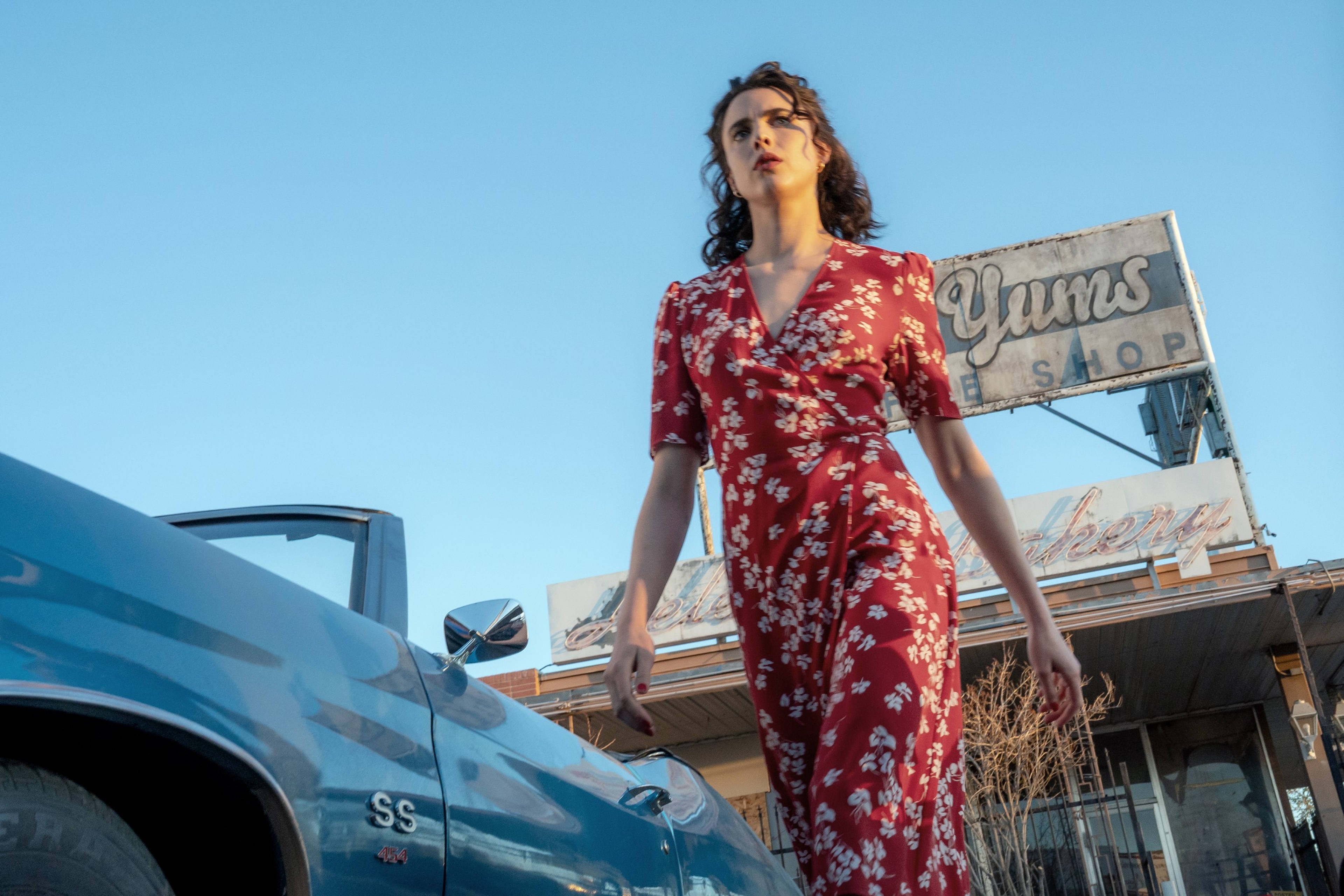
Honey Don’t!—directed by Ethan Coen and written by Coen and Tricia Cooke—is a sassy take on the classic noir thriller. Margaret Qualley plays Honey O’Donahue, the small-town gumshoe with a sexy swagger. After a potential client is found dead, Honey is on the case, investigating a sleazy cultish minister (Chris Evans) with a taste for leather with the help of the local police which includes a dimwitted detective (Charlie Day) and an alluring officer (Aubrey Plaza). Like classic noir, “Honey Don’t! is gory, unapologetically sexual, quippy and dark,” writes AP News. “Nothing is off limits in Coen and Cooke’s world,” writes Movie Freak. “Sexuality is celebrated, not something to be hidden or ashamed of.”
To keep the film playful and fun, the filmmaker signed up intimacy coordinator Mam Smith. Having worked on projects from HBO’s Westworld to the film Challengers, Smith inspires comfort and clarity in scenes that could be awkward and lets the cast and crew bring out the specific flavor—be in comic, passionate, or dangerous—in intimate moments. Rolling Stone commends Smith’s contribution, writing “the sex scenes between the two of them [Qualley and Plaza] don’t feel overly salacious or the least bit gratuitous."
We spoke with Smith about working as an intimacy coordinator, transitioning from being a stunt person, and finding a lasting family on film sets.
The official trailer for Honey Don't
How did you work with the filmmakers of Honey Don’t!?
I was brought into Honey Don’t! early. I was sent the script, broke it down, and had great meetings with Ethan and Tricia during preproduction. My process included reading the script and then rereading it specifically for sensitive material. I highlighted specific scenes and then clarified with the directors their vision and how they wanted to portray these moments. I followed up with a game plan that integrated information from other departments—like costume design, stunts, special effects, etc.—on how best to achieve the goal of creating safe, fun, kick-ass scenes.
How do you work with the cast and crew to make the set safe but also keep the action fun?
Much of the intimacy coordinator’s work happens during preproduction. Once I establish a safe space for open communication and transparency, I follow the SAG-AFTRA requirements for legal documentation and set up the closed-set safety guidelines with the production team. From there, the on-set work is very similar to other scene work. When we shoot a funny stunt scene, we recognize the risks involved, even as we tell an entertaining story. The same applies to humorous, intimate scenes. If you create a respectful and supportive working environment, everyone can do their job effectively and enjoy the process.
I have worked on productions for my entire adult life and draw upon my training and experience as an actress and stunt performer to give me insight into a performer's needs. I have also spent decades producing, directing, and choreographing productions, so I am very aware of the needs of directors and the production team. Communication and transparency are the keys to success.
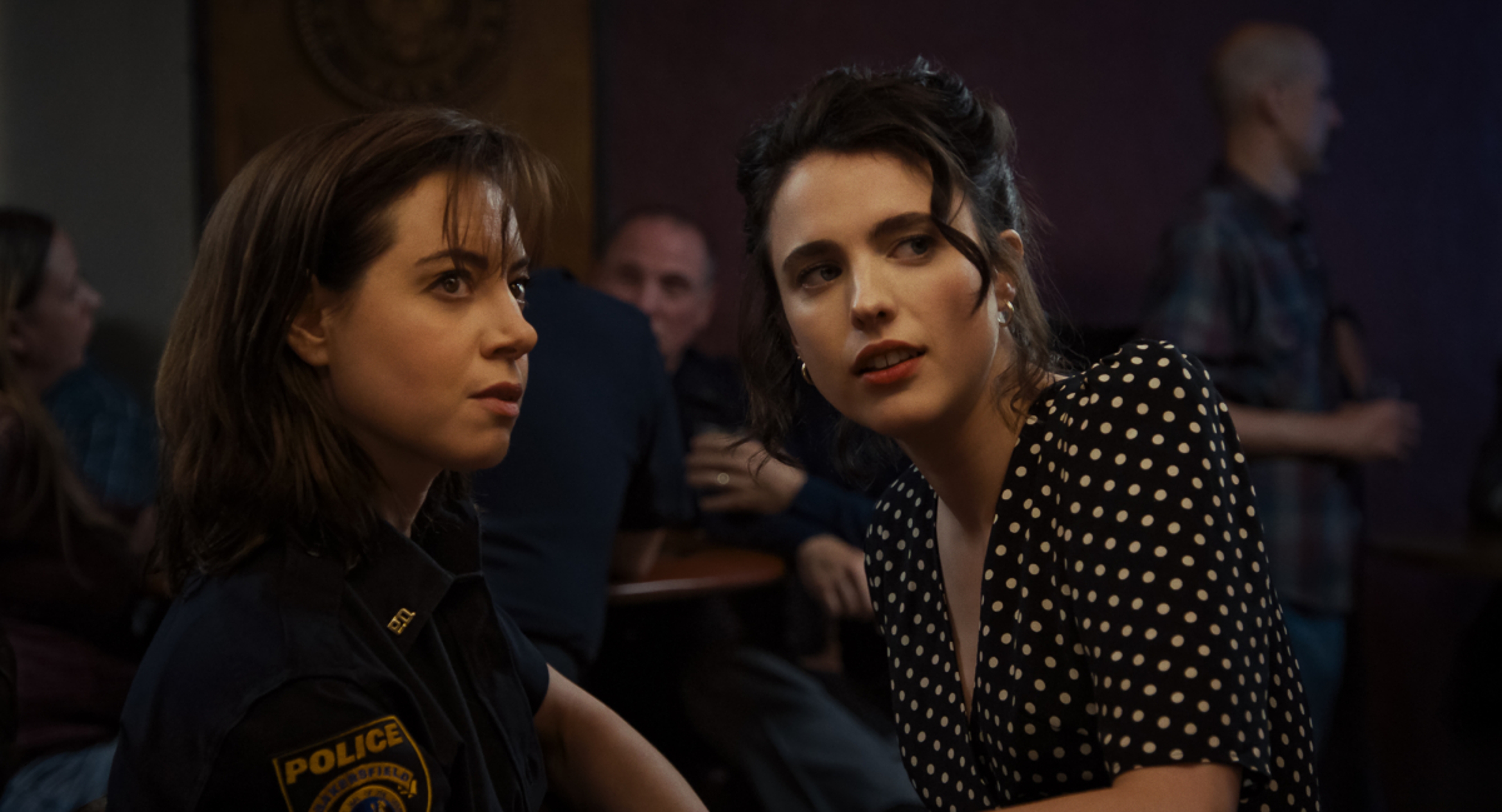
Aubrey Plaza and Margaret Qualley in Honey Don't!
What connects your career doing stunts and being an intimacy coordinator?
Having spent decades as a stunt performer, I rely on those skills working as an intimacy coordinator. In 2018, I was in the process of transitioning to directing at a program at the Irish Film Institute when I was first trained in what was then called intimacy directing. After completing the training and returning to the USA, I was contacted by HBO because they had just mandated having an intimacy coordinator position in their network and were looking for candidates to be trained and fast-tracked into the new position. My first full production with HBO was Westworld in 2019, followed by Euphoria in 2020.
Being a stunt coordinator is the closest position in attitude and approach to being an intimacy coordinator. As a stunt coordinator, I was trained to execute the director's vision in scenes that require unique preparation, coordination with other departments, and the ability to work with actors in challenging, often stressful situations. As a stunt double, I was trained to be aware of an actor's state of being, to pay close attention to stress cues and micro facial signals that may suggest anxiety or exhaustion. All of these skills directly translate into the skills required of an intimacy coordinator.
What is the most challenging part of being an intimacy coordinator?
It really depends on the production. Different shows are like people with different needs, issues, and requirements. Sometimes the biggest challenge is communication and accessing the necessary information. Other times, it’s locking scripts and a schedule to meet the legal requirements. Honey Don't! was a wonderful experience for me. They had a locked script, a solid schedule, and storyboarded everything. Facilitating communication was a dream. I could show the actors and other departments what was required visually, which fast-tracked our communication.
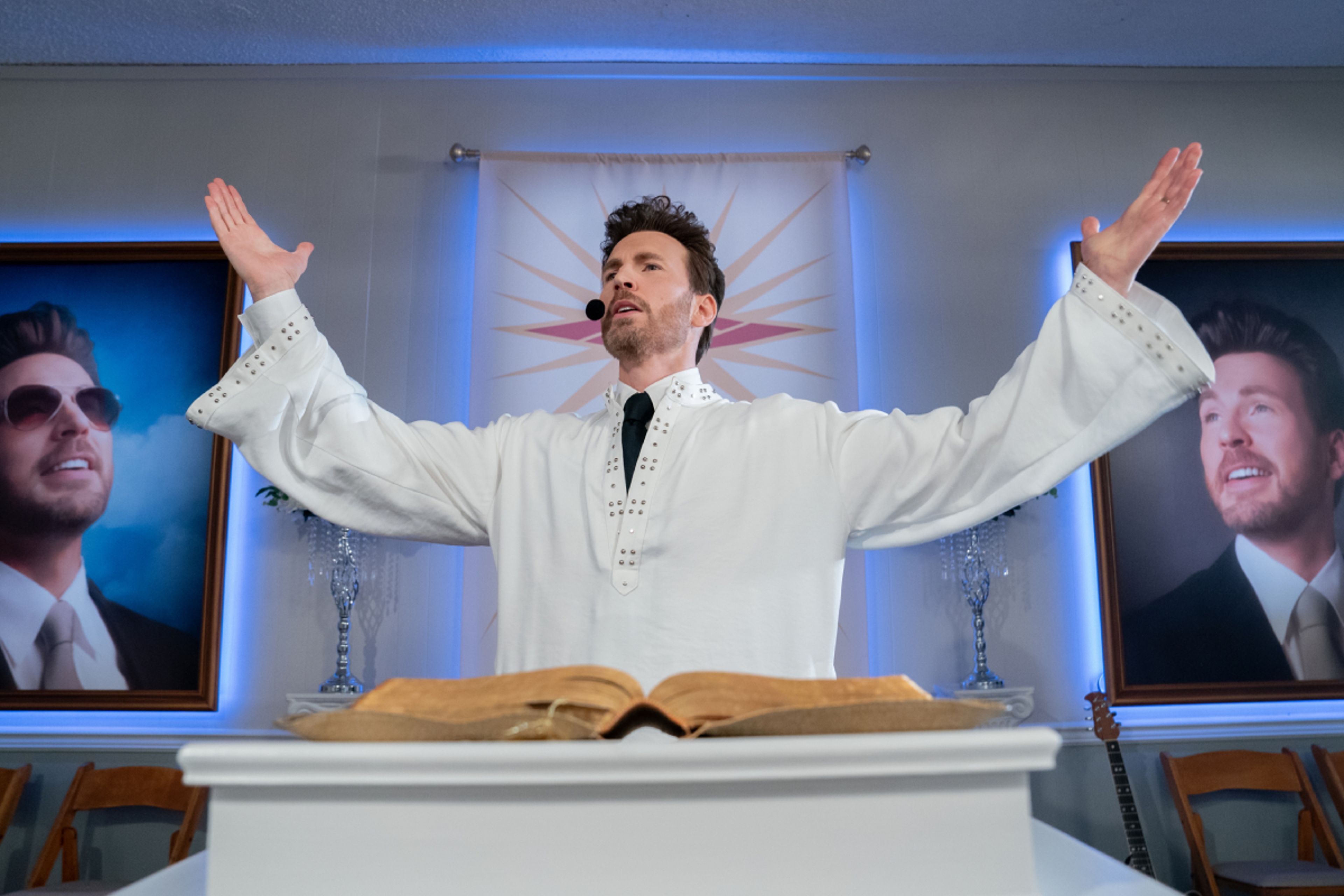
Chris Evans in Honey Don't!
What are some of the biggest misconceptions about what intimacy coordinators do?
In general, I see intimacy coordinating as an educational position. At first, when the position was introduced, I found that crew members were concerned that the intimacy coordinator was an extension of the HR department and feared being reported for "misspeaking." I found myself explaining exactly what my position was, how I facilitate transparency and communication, and how I interface with other departments. I put a spotlight on scenes that in the past had often been rushed through or pushed aside due to discomfort or a lack of skill in addressing the scenes' requirements. These days, crew members are much more aware and embrace what an intimacy coordinator does. I do, however, find myself reeducating and reassuring crew members who have had bad experiences with poorly trained or inexperienced intimacy coordinators.
When you watch films now do you look for how an intimacy coordinator handled particular scenes?
I love watching movies. If something exceptional occurs, like a gnarly stunt, breathtaking cinematography, or a seamless, intimate scene, I find myself acknowledging the work. (Usually, silently, so as not to piss people off, unless of course I am with another industry friend.)
What is your most memorable experience being an intimacy coordinator?
My most memorable experiences are always with the amazing folks I get to work with. On Honey Don't!, I was reunited with one of my best friends—the brilliant stunt coordinator, Jen Lanb Hewitt. We raised our kids together in the industry. I had a fantastic time working with her and the whole cast and crew on the project. I can't wait to bring the entire team back together on the next one.
What was the first movie you watched that made you want to work in film?
The first movie I watched that made me want to tell visual stories was Disney's Escape to Witch Mountain. I think I was 5 years old. I remember wanting to watch it over and over, and then I wanted to know what happened next. It felt incredible and yet so real. I wanted to be in it, and also make more movies like it. I still do!
This interview has been edited and condensed for clarity.
