Adapting Jane Austen’s Sense and Sensibility for a New Generation
An exclusive Q&A with screenwriter Diana Reid
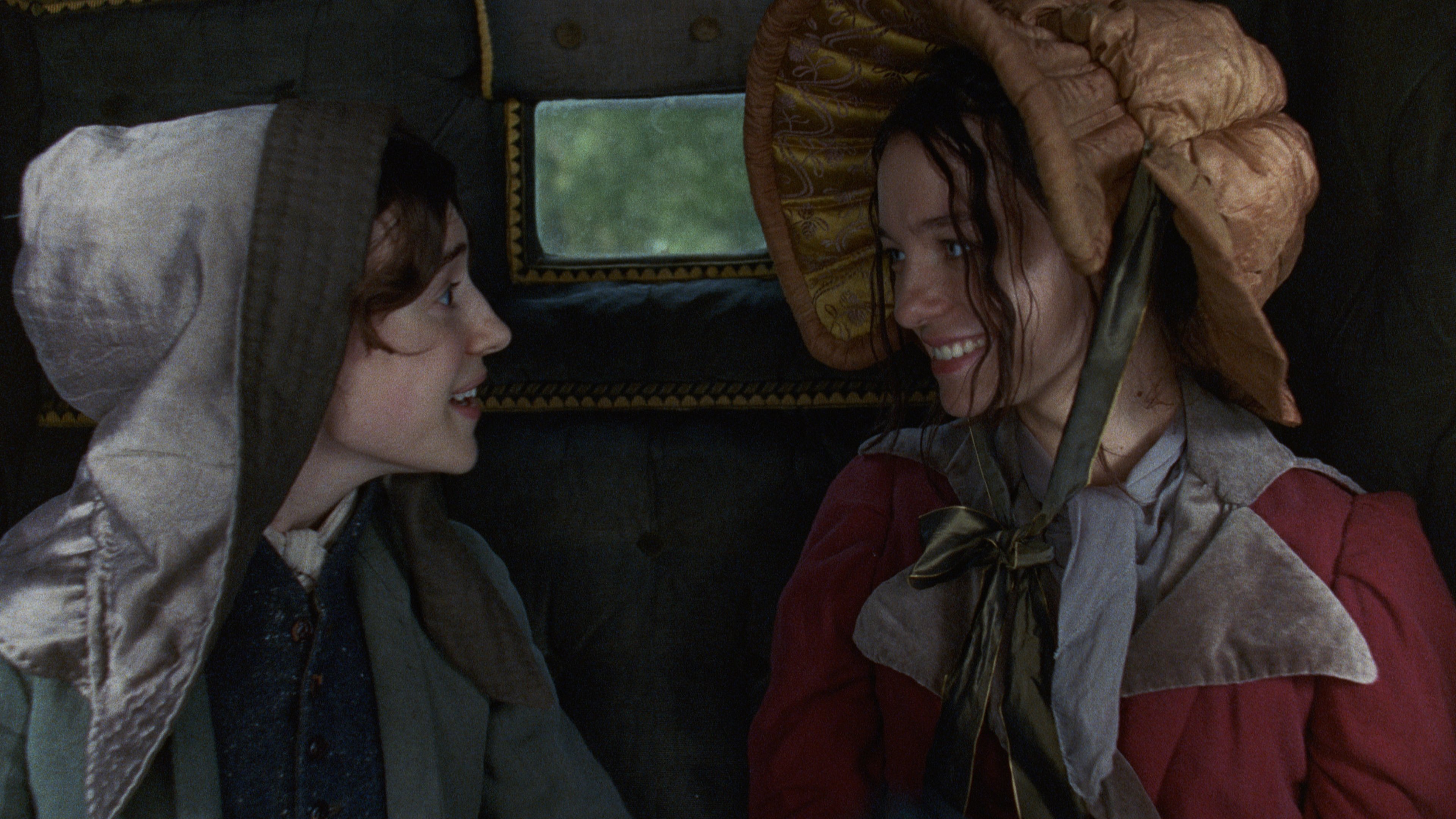
In Sense and Sensibility, screenwriter Diana Reid and director Georgia Oakley bring an invigorating new take on Jane Austen’s first novel. When her husband dies, Mrs. Dashwood and her daughters are forced to leave their spacious home and live in the charming but cramped Barton Cottage. As the elder sisters, Elinor (Daisy Edgar-Jones) and Marianne (Esmé Creed-Miles), navigate their new lives and potential romances, both learn how much they depend on each other, no matter how different they are.
In adapting the novel, novelist and screenwriter Diana Reid returned to Austen’s story and world to highlight the profound bond between the two sisters. “Diana brought all the love and life out of the Austen novel, while also allowing us to see these sisters in a slightly different context,” Edgar-Jones says in the film’s production notes. The Wrap writes, this “adaptation of Jane Austen’s timeless, beloved 1811 novel is enchanting and beautiful, just as it should be. It’s also, in its earthy and humorous way, intensely riveting.”
We talked with Reid about her approach to making Austen’s world both real and romantic.
Get tickets for Sense and Sensibility, now playing in theaters!
The official trailer for Sense and Sensibility
When you were approached about adapting Sense and Sensibility, what were your thoughts?
I'd read it as a teenager and then revisited it when my producer, India Flint, suggested doing an adaptation. What struck me was that, despite basically inventing the romcom, Austen's first novel is not really about women marrying men. It's a love story between two sisters. Yes, there are male romantic interests but all of the character growth and narrative is driven by two very different women and their love for each other. The film is about romance and sisterhood. Indeed, the title defines the nature of Elinor and Marianne.
How did you view what would be important to capture about their relationship in the screenplay?
In the novel, I always felt that Marianne learns to become more like Elinor. To a modern reader it can almost feel painful to see how much her sensibility (her passion, her impulsiveness) is tempered by society’s demands. I loved the idea that, in this version, I could have a more symbiotic structure. Elinor and Marianne both come of age in this film. They each learn from each other while still remaining true to themselves.
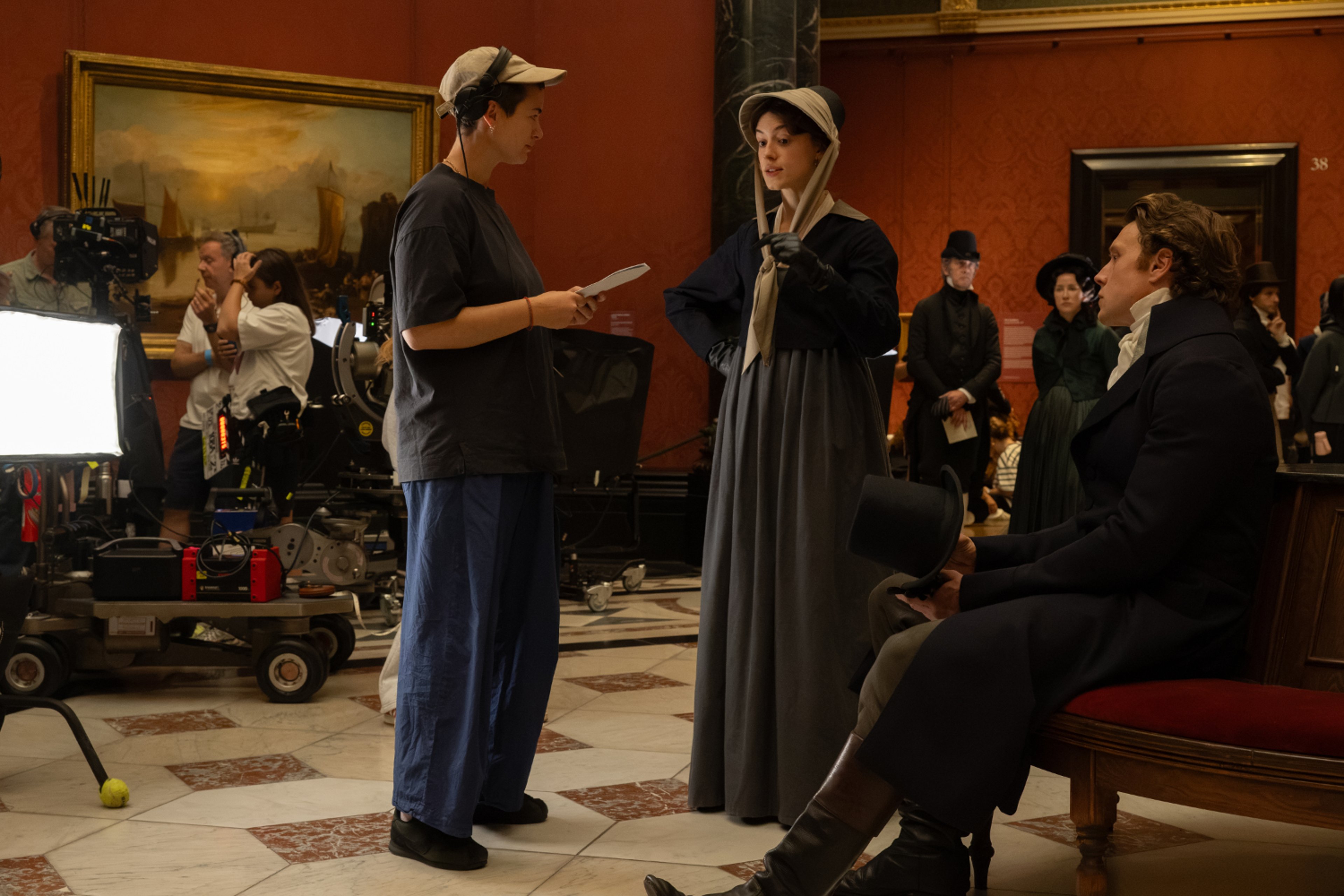
Georgia Oakley, Daisy Edgar-Jones, and George MacKay on the set of Sense and Sensibility
When you started the project, what did you feel was going to be your greatest creative challenge?
The biggest challenges arose from just how good the novel is. It’s packed with not one, or even two, but three compelling romances, plus the love story between the sisters, plus countless complex, funny minor characters. Condensing all that plot and wit into a two-hour format and being judicious about what to cut and what to keep was challenging.
What makes Sense and Sensibility a great story for a film?
I think, at their core, Austen’s stories are about how people can change each other. Sense and Sensibility, in particular, is about how, if you are open to loving deeply and learning from the people around you, you can achieve autonomy and full, complex personhood—even in a society that otherwise tries to constrain you. That alchemy of what happens when two characters meet and their unique qualities start to mix is electric on screen.
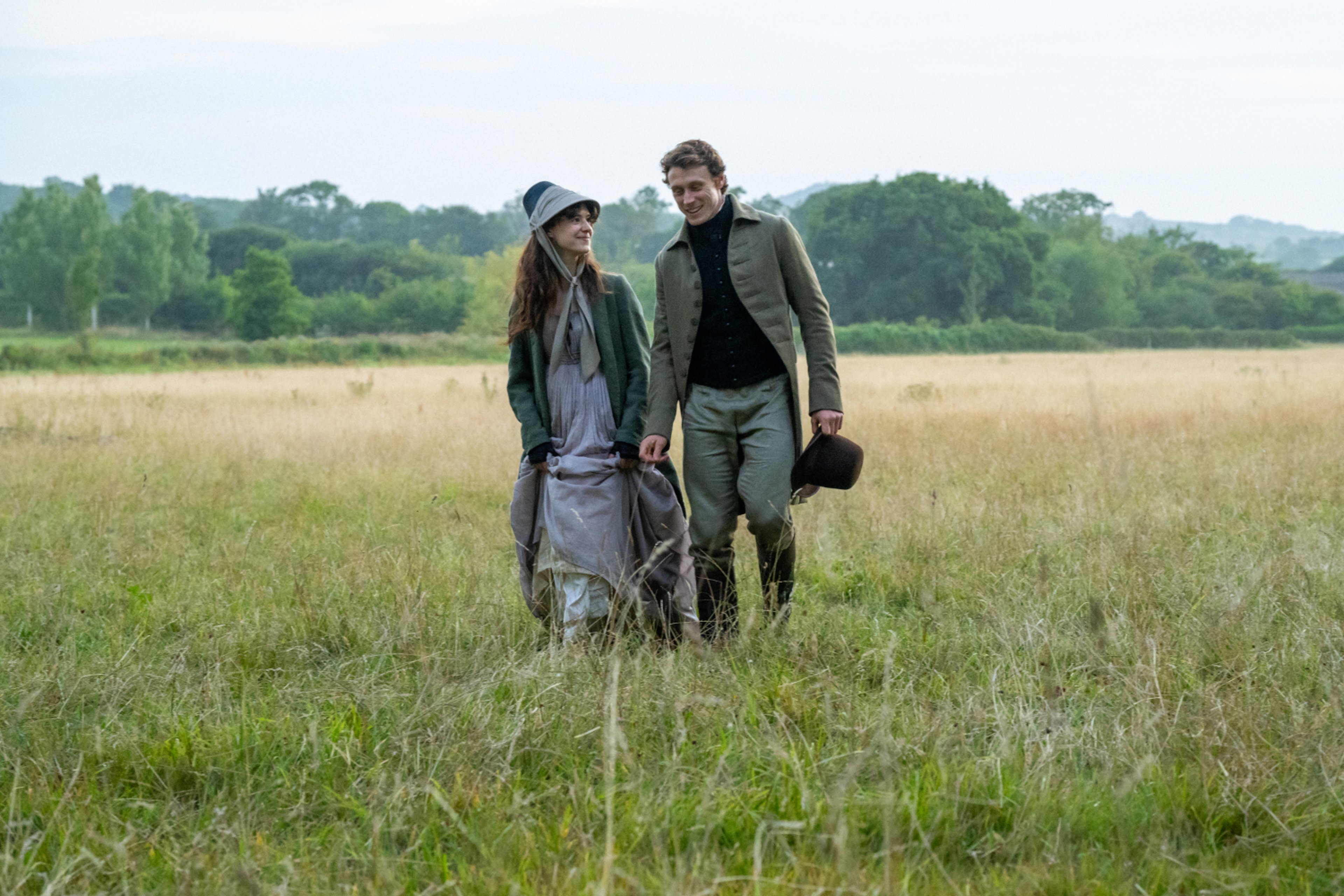
Daisy Edgar-Jones and George MacKay in Sense and Sensibility
When Georgia Oakley was chosen to direct the film, how did you work with her to refine the script?
Georgia always shared the vision that this story is about the sisters. When she came on board, she wanted to make sure the film was grounded in their perspective right from the start. I re-wrote the opening, at Georgia’s suggestion, so we open on Marianne waiting for a letter that will change her family’s life.
Georgia also wanted the world to feel lived-in. She never wanted it to feel like all these women did was sit around in a parlor drinking tea. Georgia pushed me to come up with moments we might not have seen in Austen before, like Marianne and Mrs. Dashwood playing a ballgame inside their house when it’s raining, or, when their circumstances change and they move to a home without any servants, I added details like Elinor planting vegetables and chopping firewood, or Margaret picking blackberries.
Finally, Georgia brought a whole new visual language. She made nature a character in the film, and wanted to make sure that animals were part of this world. Some of that was scripted (like making sure each household had its own pets) but a lot of it was Georgia’s vision playing out on the shoot.
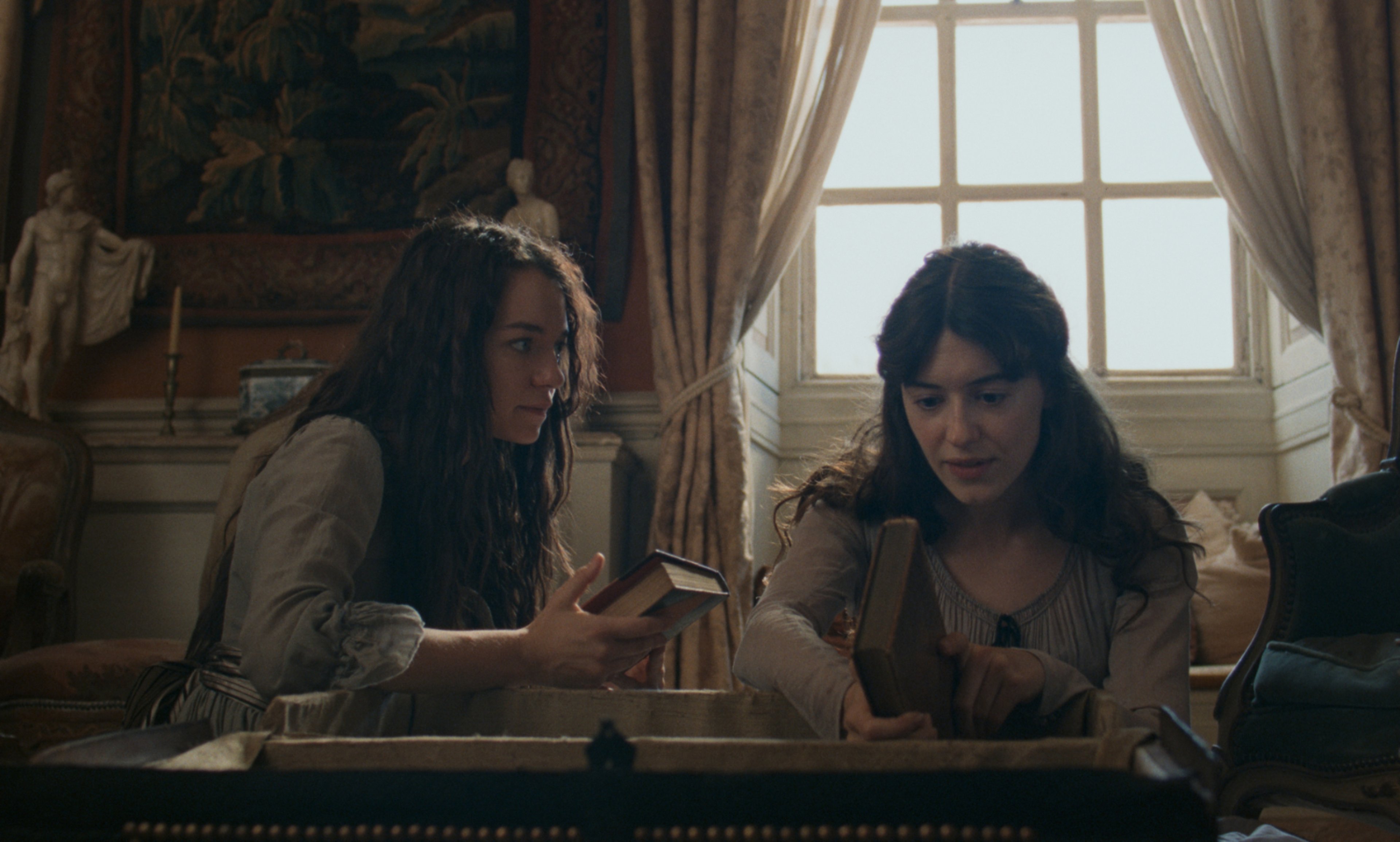
Esmé Creed-Miles and Daisy Edgar-Jones in Sense and Sensibility
It feels like you kept much of the dialogue from the novel.
I’m flattered that you think much of the dialogue is from the novel, that means I did my job. Actually, most of it is original to me (there are about 20 lines from the novel peppered throughout). But it was very important to me to sound like Austen and I studied the structure and rhythm of her sentences so I could try to replicate her voice.
Hopefully, that makes for a richer viewing experience. My aim was to try to replicate the experience of reading the book in a new medium. The language is at the core of that experience. When you pick up a classic novel, there’s often an adjustment to language that sounds inorganic to our modern ear. That initial difficulty, I think, makes it all the more powerful when you ultimately slip inside the characters’ psyches. Because what you’re experiencing isn’t superficial relatability, it’s deep empathy. You’re suddenly under the skin of people who are unlike you, who express themselves in ways you never would. I think you can only reach for that really profound empathy, that sense of universal humanity, if you’re prepared to engage with what makes the original text unique.
What do you hope audiences take away from the film?
I would love audiences to feel like real, deep, life-altering love is possible. And if they could be inspired to go back to Austen and read the novel, that would perhaps be the biggest compliment of all.
This interview has been edited and condensed for clarity.
